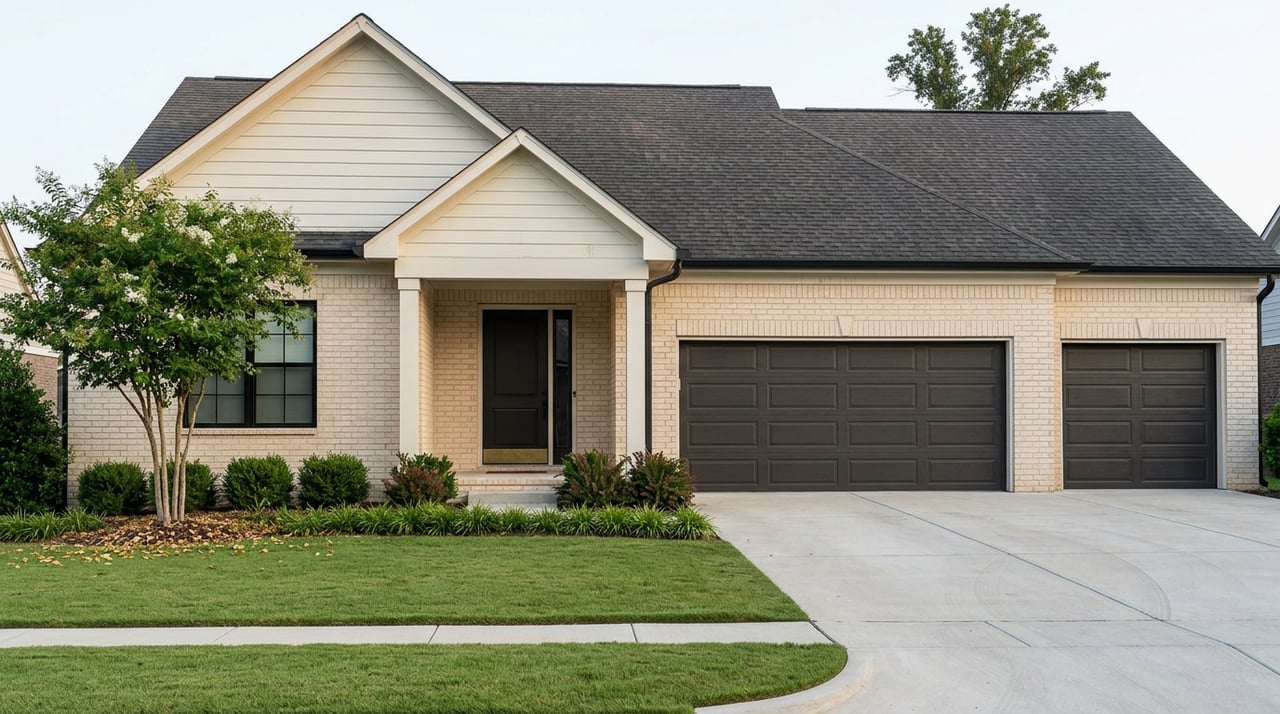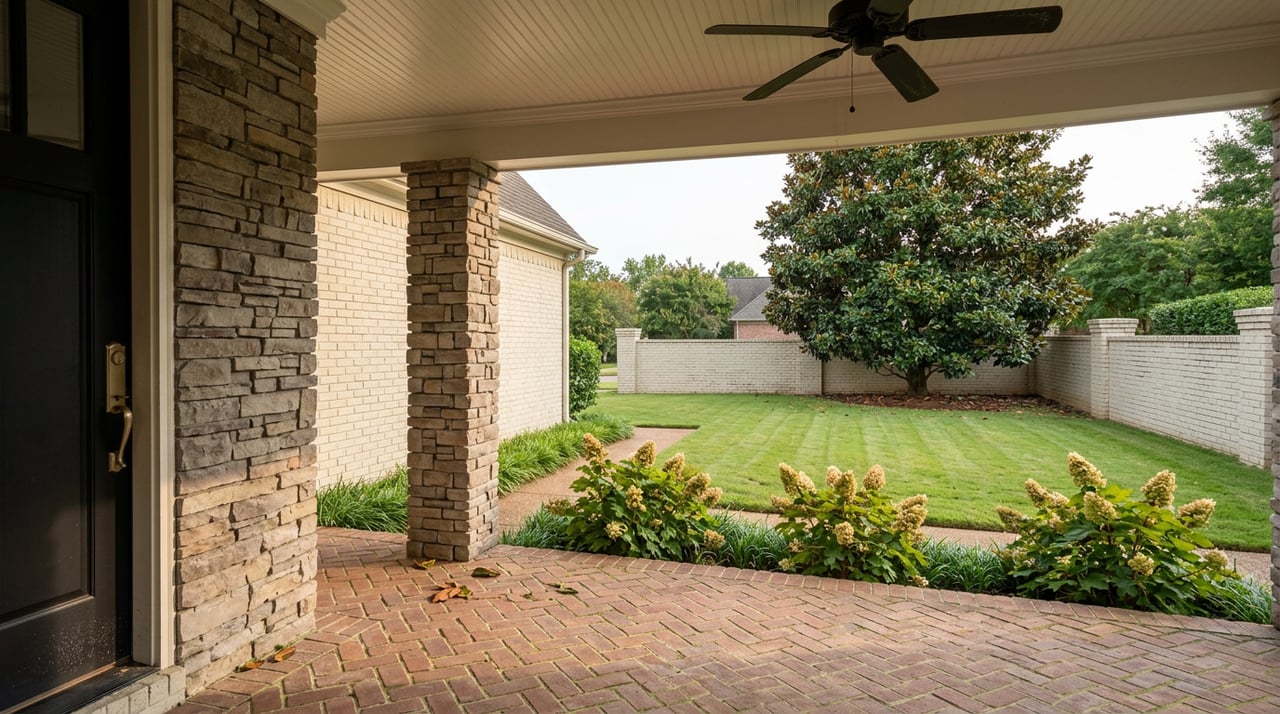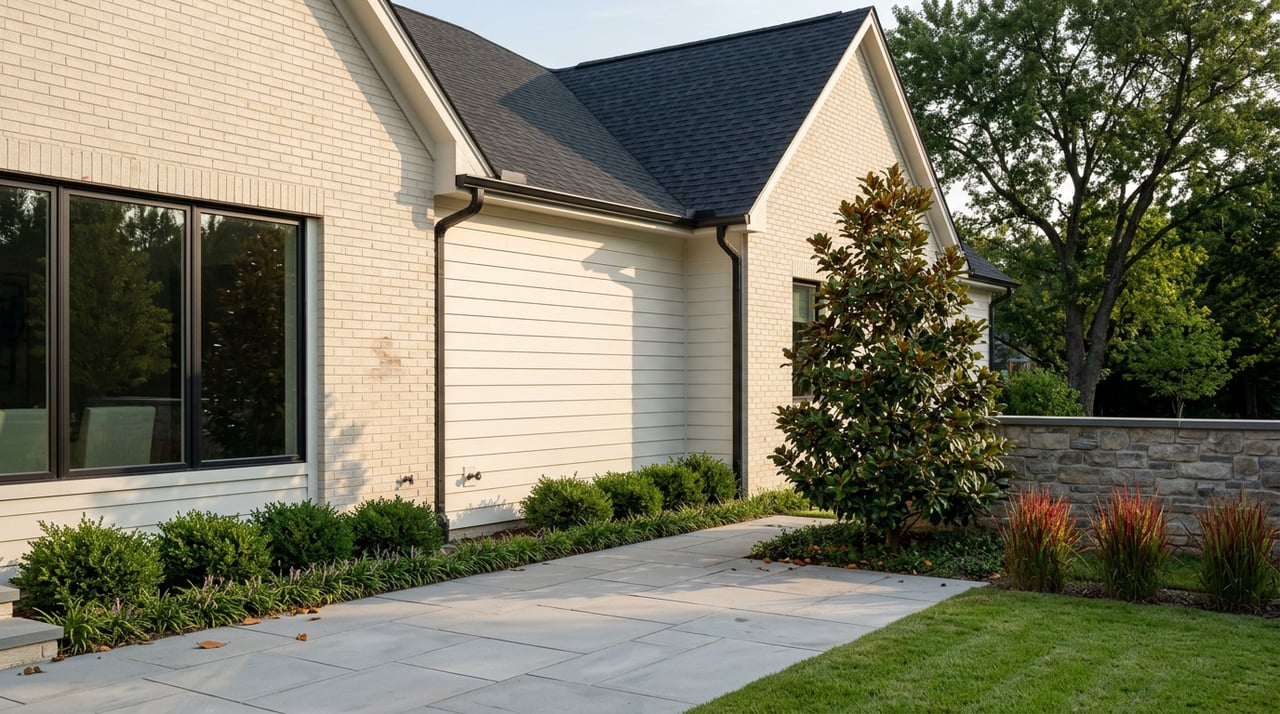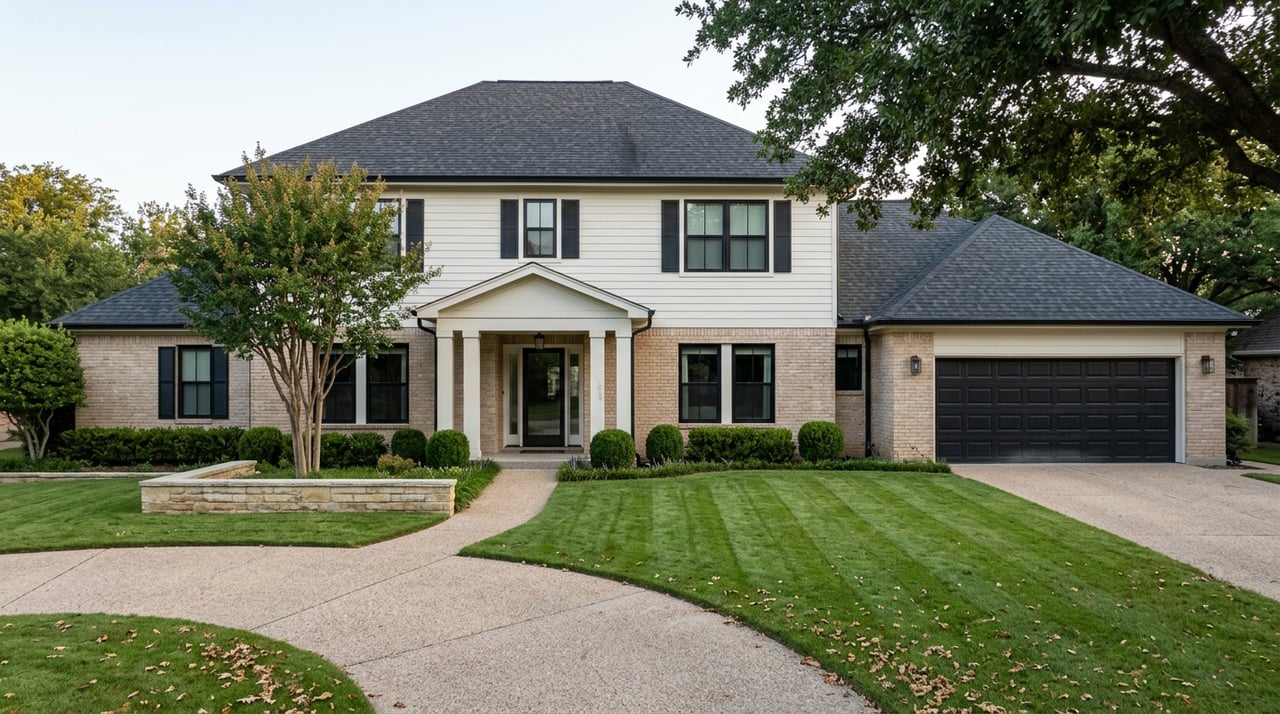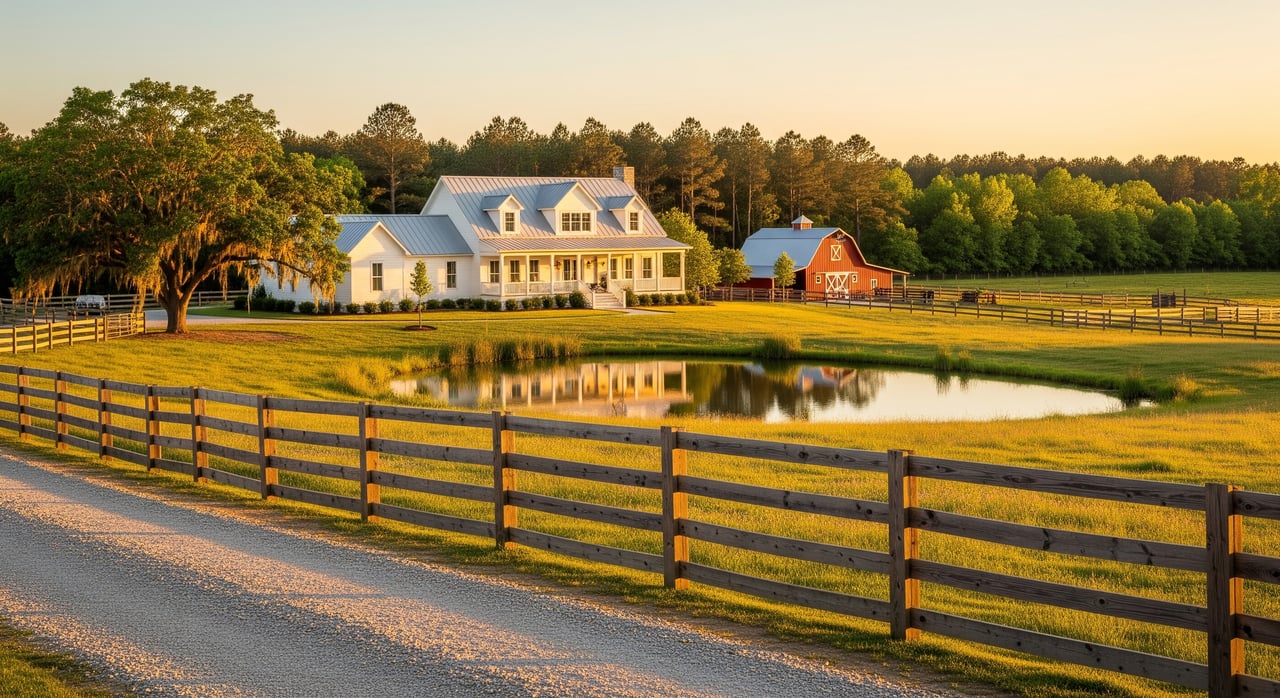
Ever picture yourself gathering eggs at sunrise, tending a small orchard, and watching a pond shimmer in the evening? If you are eyeing a few acres near Banks in Pike County, you are not alone. Mini-farms are popular because they offer space, privacy, and room to grow without taking on a full-scale operation. In this guide, you will learn what to check on listings and tours so you can buy with confidence and set up your land for success. Let’s dive in.
Why Banks works for mini-farms
Banks sits in rural Pike County, where hot, humid summers and mild winters create a long growing season. Warm-season grasses, row gardens, and many tree crops can do well with the right soils and management. Outside of Troy and small towns like Banks, services are often provided by the county and local cooperatives instead of city utilities, so it pays to confirm who maintains roads and delivers utilities before you buy.
A typical mini-farm here ranges from 1 to 25 acres. You will often see pasture, hay areas, a garden spot, small orchards, and simple farm buildings such as a barn or implement shed. Many properties also include a pond or a small woodlot. As you tour, keep your focus on access, water, soils, and utilities before you get attached to a pretty view or an old barn.
Start with access and rights-of-way
Access affects everything, from building and deliveries to emergency services and future resale. Verify if the property fronts a public paved road, a county-maintained gravel road, or a private road. Confirm legal, deeded access. Do not rely on informal permission to cross a neighbor’s land.
Key questions to ask:
- Who maintains the road or driveway, and is there a recorded maintenance agreement?
- Are there easements that define who pays for upkeep?
- Are there weight limits or seasonal restrictions that affect heavy equipment or feed deliveries?
If a property lacks reliable, legal access, it can complicate financing, building, and long-term value. Make this the first box you check.
Confirm utilities and connectivity
Utility setup is often the biggest swing factor in cost and timeline. Get clarity early so you can plan and budget.
Electric service
In rural Pike County, electric service commonly comes from cooperatives. Confirm where power is available and how far the line must be extended to your homesite or barn. Line extension costs and scheduling can be significant if the hookup point is distant from the road.
Water supply
Many mini-farms use a drilled well. Ask for well test results, pump depth, yield in gallons per minute, and water quality data for bacteria, nitrates, and hardness. If a pond or stream is part of your water plan, confirm the pond’s location on the deed, its water source, and whether any permits apply to the dam or spillway.
Septic systems
Most rural homes use septic. Request septic permits or tank inspection records, and order a soils or percolation test for any new or replacement system. Soil texture, depth, and the seasonal high water table will determine design options and costs.
Heating fuel and backup power
Propane is common. Confirm delivery access and tank location options. If you value resilience, consider a backup generator or solar as part of your long-term setup.
Internet and phone
Rural broadband varies by location. Confirm cell coverage at the homesite and check options such as DSL, fixed wireless, or satellite so you are not surprised after closing.
Read the land: topography, soils, and water
How your land drains and what lies under the topsoil will shape your layout and maintenance.
- Topography: Flatter ground is simpler for gardens and building pads but may hold water and can be more flood-prone. Slopes improve drainage and are great for barn placement above runoff, though drive and pad work may cost more.
- Soils: Use soils mapping tools to identify texture, drainage class, and depth to restrictive layers. This matters for pastures, gardens, and septic drainfields. Plan to send soil samples for pH and nutrient analysis through local extension before you invest in amendments.
- Flood and wetlands: Review flood maps to check if any part of the property lies in a designated floodplain. Wetlands or intermittent streams can limit pond work or new construction and may involve state or federal review.
Ponds are common on mini-farms here. Ask about dam classification and any safety or maintenance responsibilities. Good buffers and erosion control protect water quality and reduce future repairs.
Pastures, woods, and wildlife
Evaluate the pasture you are buying, not the pasture you hope it will become. Look for invasive weeds, encroaching saplings, bare spots, and compaction. Identify the forage mix you see, such as Bermudagrass, fescue, or clover, so you can plan renovations.
If the property includes timber, consider whether you want to harvest for income or remove trees for pasture. Check for any easements, conservation orders, or leases that limit cutting. Wildlife is part of rural life, but be aware that deer, coyotes, and feral hogs are common in Alabama. Hogs in particular can damage pastures and gardens, so factor fencing and management into your plan.
Evaluate barns, fences, and ponds
Existing improvements can save you time and money if they fit your needs.
- Barns and sheds: Check foundations, posts, roofing, wiring, and how the structure lines up with your intended use. Confirm whether it meets code for livestock or equipment.
- Water for livestock: Identify water lines, troughs, and hydrants. Even with mild winters, protect lines from freeze and damage.
- Fencing: Note age, type, and condition. Clarify boundary lines and who maintains perimeter fences along neighboring tracts. If a pond is part of your livestock water plan, confirm safe access points and bank stability.
Rules, permits, and taxes
Many rural parts of Pike County are unzoned, but that does not mean there are no rules. You still need to follow county and state requirements for septic, wells, and building permits. Ask the Pike County Commission or planning and building offices to confirm what applies to your property and project.
- Deed restrictions and covenants: Some tracts carry rules that limit livestock, structures, or subdividing. Read these with care.
- Agricultural property tax classification: Alabama offers ad valorem property tax relief for lands in agricultural use. Eligibility usually requires active agricultural use and may include minimum acreage or use standards. Contact the Pike County Tax Assessor to verify requirements and how to apply.
- Easements and mineral rights: Confirm if mineral rights are included or severed. Check for recorded utility, access, hunting, or pipeline easements that may limit where you build or fence. Order a title search and purchase title insurance so you understand your rights.
- Insurance and liability: Confirm availability and cost of homeowners coverage and any farm liability coverage you may need. If any part of the property is in a mapped floodplain, flood insurance could be required by a lender.
- Conservation programs: USDA and state conservation programs can offer cost-share and technical help for fencing, water systems, and erosion control. These programs can also include long-term maintenance obligations. Ask the local NRCS and FSA offices about options.
Plan your mini-farm layout
Good layout prevents headaches and muddy boots later.
- Siting buildings: Place the home and barn on higher, well-draining ground, ideally upslope from pastures and gardens to avoid runoff. Keep the barn near feed and truck access, and position it downwind of living areas if odors concern you.
- Garden and orchard: Aim for full sun and orient rows to capture light. Use windbreaks if needed. If topsoil is shallow, plan for soil building or import.
- Pastures and paddocks: Design rotational paddocks with reliable water in each area. Build durable laneways that keep animals out of mud and protect your pastures.
- Ponds and erosion: Site ponds to capture natural drainage and maintain vegetated buffers. Control sediment from drives and cleared areas so it does not flow into the pond.
- Environmental best practices: Keep buffers along streams, and set clear manure handling areas away from wells and watercourses.
Due-diligence checklist for tours and offers
Use this list to stay focused during tours and when you prepare an offer.
Documents and tests to request or order
- Title report and a copy of the deed, including any easements and mineral reservations
- A recent boundary survey
- Septic inspection and service records, plus a soils or percolation test for any new or expanded home
- Well log, pump yield test, and lab water quality results, or order new tests
- Soils data from NRCS mapping, with attention to septic and agricultural suitability
- Flood map review for the parcel
- Timber or vegetation assessment if you plan harvests or clearing
Smart questions for the seller and listing agent
- How do you access the property year-round, and who maintains the road or driveway?
- Are there recorded driveway or utility easements and maintenance agreements?
- Where are the electric and telecom service points, and has power been extended to the homesite?
- Are there current septic or well permits and recent inspection or maintenance records?
- Has the property flooded, and are there known wetlands or a completed wetland delineation?
- Who owns the mineral rights, and are there active mineral, timber, or hunting leases?
- Are there covenants, HOA rules, or county-level restrictions on livestock, structures, or future subdivision?
Local contacts to line up
- Alabama Cooperative Extension System for soil testing, planting calendars, pasture management, and workshops
- USDA NRCS and Farm Service Agency county offices for soils data, conservation planning, and program eligibility
- Pike County Tax Assessor for ad valorem and agricultural classification questions
- Pike County Commission, Planning and Building, and Health Department for permits, septic and well regulations, and road policies
- Local well drillers, septic contractors, fencing crews, and farm-equipment suppliers for estimates and timelines
Common pitfalls to avoid near Banks
- Relying on informal access without a recorded easement
- Buying without proof of reliable water, such as a well yield test or a perennial pond
- Skipping soils and percolation tests before planning a new home site
- Underestimating the cost and time to extend electric lines or harden a driveway for equipment
- Assuming timber or mineral rights are included when they are not
- Overlooking floodplain, wetland, or conservation limits that reduce buildable area
Your next steps
If a listing near Banks checks the right boxes for access, water, soils, and utilities, you are well on your way. Order the key tests, confirm permits, and map your layout on high, well-drained ground before you finalize plans. With the right due diligence, a mini-farm can deliver exactly what you want: room to grow, space to breathe, and a setup that fits your life.
Ready to tour properties, line up inspections, and close with confidence? Connect with a local guide who handles land and farm transactions across Pike County. Reach out to David Adams to get started.
FAQs
What defines a mini-farm near Banks, Alabama?
- In Pike County, a mini-farm typically means 1 to 25 acres used for hobby livestock, pasture, hay, gardens, small orchards, and simple farm structures.
How do I verify legal access on a rural property?
- Confirm deeded access and any recorded road or driveway easements, plus who maintains them and how costs are shared.
What should I test on a private well before closing?
- Request or order a pump yield test and lab results for bacteria, nitrates, and hardness, and note the pump depth and equipment condition.
Do I need a perc test for a new home site in Pike County?
- Yes, plan for soils or percolation testing and confirm septic permit requirements with county health authorities before you build.
How can I check flood risk on acreage near Banks?
- Review official flood maps to see if any part of the parcel is in a designated floodplain and confirm if flood insurance may be required.
Are ponds regulated on private land in this area?
- Ponds are common, but dam structures and modifications can be subject to state or federal rules, so verify classification and any permit needs.
Can I get agricultural property tax benefits in Alabama?
- Alabama offers ad valorem tax relief for qualifying agricultural use; check eligibility and application steps with the Pike County Tax Assessor.