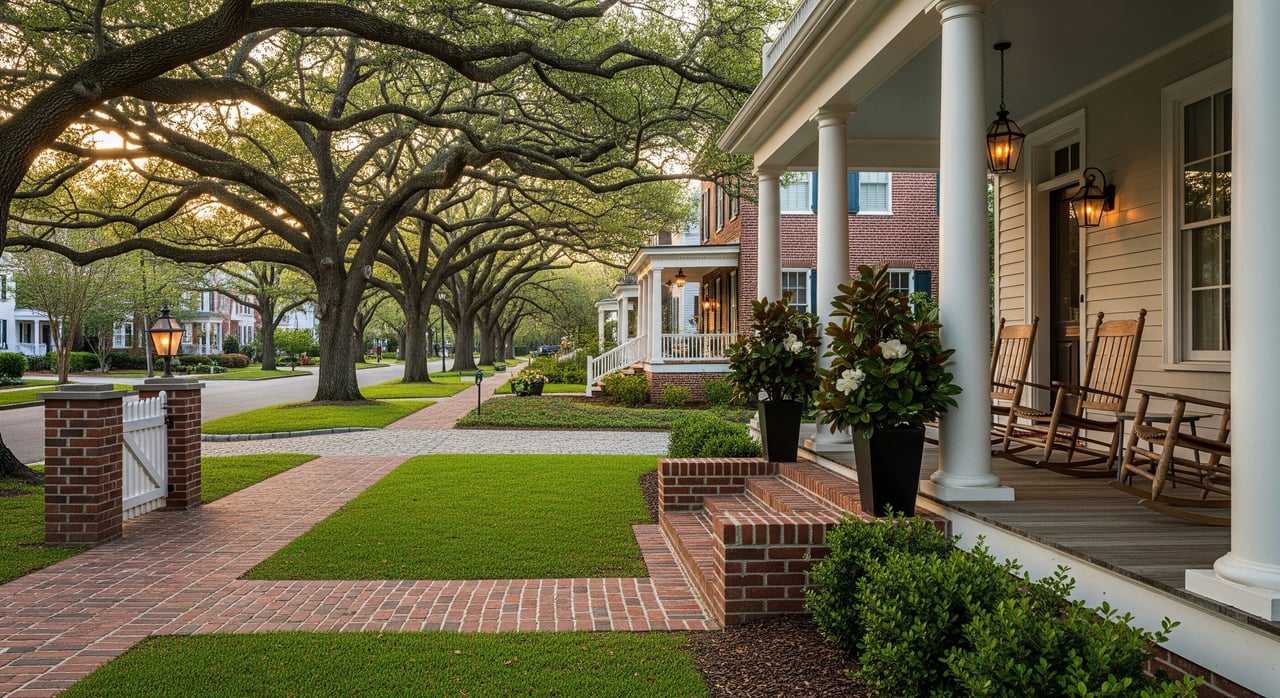
Thinking about everyday life in Troy and wondering how the neighborhoods actually feel? You’re not alone. Whether you’re planning a move, comparing areas, or just curious about the local rhythm, it helps to picture a regular weekday, a quiet Saturday morning, and a lively evening when campus events are in full swing. In this guide, you’ll get a friendly overview of where people live, how the town moves, and what daily routines look like across Troy’s most talked‑about pockets. Let’s dive in.
Troy at a glance
Troy blends small‑city ease with the energy that comes from a hometown university. You’ll feel it in the calendar, with semesters shaping traffic and events, and in the pace, which leans relaxed in summer and livelier when classes are in session. The historic core centers around a walkable square, while newer subdivisions spread out with room for yards and driveways. Commuting is straightforward, and day‑to‑day errands rarely require long drives.
Neighborhood snapshots
Downtown and the Square
If you want to be close to coffee, dining, and community gatherings, the streets around the historic square are your anchor. Housing nearby is a mix that can include older homes, small apartments, and a few renovated options tucked on tree‑lined blocks. Daily life here feels active during lunch and early evenings, with quieter mornings and Sundays. It’s a good fit if you value a short hop to shops, services, and city events.
Near the University
Living near the university comes with a predictable rhythm. You can expect more movement when classes are in session, busier game days, and easy access to arts, lectures, and sports. Housing options often include rentals, duplexes, and multifamily buildings alongside single‑family homes on side streets. Choose this area if you want convenient access to campus programming and don’t mind a bit of buzz on weekends.
Oak Park
Oak Park offers a residential feel with streets where you’ll see morning walkers, afternoon yard work, and a steady school‑bus routine on weekdays. Homes tend to be single‑family, with room for driveways and outdoor space. Daily life is relaxed, with quick drives to groceries, pharmacies, and everyday services. Consider Oak Park if you prefer a quieter setting and easy parking.
Heritage Ridge
Heritage Ridge reads like a planned neighborhood, with consistent streetscapes and a settled pace. You’ll find primarily single‑family homes and a neighborhood layout that makes early morning jogs and evening strolls common sights. Everyday errands and major roads are within a short drive, keeping commutes simple. Choose Heritage Ridge if you like an organized feel and a sense of routine.
The Summit
The Summit appeals to those who want newer‑feeling homes, tidy curb appeal, and a bit of elevation and openness. Sidewalks and cul‑de‑sacs may be part of the experience, and you’ll likely find garages and functional floor plans suited to busy weekday schedules. Most errands are still quick, with main corridors close by. Pick The Summit if you want just‑enough space and a comfortable neighborhood pace.
Daily rhythm and routines
Morning routines
Weekday mornings start with school drop‑offs, coffee runs, and a steady stream of commuters. Around downtown, you’ll see doors opening early, steady takeout orders, and people settling in for the day. In residential pockets, it’s all about dog walks, bus stops, and a quiet reset once everyone heads out.
Midday patterns
Lunchtime brings a mix of workers, students, and errand‑runners. Downtown tends to be busier during the middle of the day, while neighborhood streets stay calm. If you work from home, you’ll appreciate the quiet between noon and mid‑afternoon, broken by the occasional delivery truck and leaf blower.
Evenings and weekends
Evenings swing between downtown dinners and campus‑adjacent events. Weekends can be lively when the university hosts games or performances, and calmer when the calendar is light. On Sundays, you’ll notice a slower pace overall, with many residents leaning into rest, family time, and outdoor chores.
Shopping, services, and healthcare
You can handle nearly all your daily needs in town. Groceries, pharmacies, and hardware stores sit along the main corridors, while downtown offers boutique shopping and local dining. Healthcare needs are covered by local clinics, urgent care options, and hospital services in or near the city. Banking, shipping, and automotive services are easy to reach without crossing town.
Food, coffee, and local flavor
Expect a mix of local spots and familiar chains. You’ll find casual dining, quick takeout, and places to linger over a cup of coffee or dessert. On busy evenings, popular dining rooms fill up early, especially around events. If you like to explore, try a weeknight loop through the square for a slower‑paced, neighborhood‑style experience.
Parks and recreation
Parks and fields are part of the weekly routine for many residents. You’ll see walking paths used in the early morning, youth sports on weeknights, and open greens on weekends. The university also brings arts and athletics that residents enjoy, from performances to games, depending on the season and schedule.
Getting around
Most residents rely on cars for daily life. Main corridors connect neighborhoods to downtown and shopping areas, and parking is manageable across town. If you live near the square or the university, you can walk to essentials and enjoy the convenience of short trips without a car. Commute times are generally steady, with brief peaks before work and after school.
Buying, renting, and investing
If you’re evaluating Troy for a home purchase, start by matching your daily routine to the neighborhood’s rhythm. Ask yourself how often you want to be downtown, how you feel about weekend campus energy, and how much yard or garage space you need. For renters, proximity to campus and downtown convenience are top filters, along with parking and noise expectations.
For investors, the university presence creates a stable base of rental demand, and newer subdivisions can offer straightforward maintenance over time. Consider the mix of single‑family, duplexes, and small multifamily opportunities near campus corridors. If you want hands‑off ownership, in‑house property management and maintenance can simplify operations and support steady occupancy over the long run.
Quick checklist for buyers and renters
- Visit at different times: weekday morning, Friday evening, Sunday afternoon.
- Try your commute: home to grocery, work, and school at normal hours.
- Listen for ambient noise: traffic, yard equipment, game‑day activity.
- Confirm parking: driveway capacity, street rules, event spillover.
- Walk the block: sidewalks, lighting, and general upkeep.
Schools and learning
Public schools serve the city and nearby neighborhoods, and boundaries can vary by address. If school details matter to you, review official report cards and verify zoning before you tour. The university adds lifelong‑learning opportunities, cultural programming, and athletics that many residents enjoy. This combination brings a steady calendar of performances, lectures, and community events.
Safety and city services
Like any small city, experiences can vary by block and time of day. If safety is a priority, review official statistics, talk with local officials, and visit neighborhoods at different hours. City services cover police, fire, utilities, and parks, and you’ll see that presence around downtown, at community centers, and near event venues. Many residents also keep tabs on neighborhood updates through local groups and city channels.
Seasonal notes and events
Summer often runs quieter, with a slower restaurant scene and quicker parking. When semesters kick off, expect a lively jump in movement across campus‑adjacent corridors. Holidays bring parades, gatherings, and a bright downtown, while spring weekends can be busy with performances, games, and outdoor activities. If you’re house‑hunting, tour in at least two different seasons to get the full picture.
Quick neighborhood chooser
- Downtown and Square: You want walkable access to dining, shops, and city events.
- Near the University: You value campus arts and sports, and don’t mind busy weekends.
- Oak Park: You prefer a quieter street scene and easy daily errands.
- Heritage Ridge: You like an organized neighborhood look and steady routine.
- The Summit: You want newer‑feeling homes, garages, and functional layouts.
What a week feels like
- Monday: Coffee to go, quick commute, quiet neighborhood by noon.
- Wednesday: Lunchtime buzz near the square, practice at the fields at dusk.
- Friday: Early dinner fills up faster when there’s a big event in town.
- Saturday: Errands in the morning, yard work after lunch, out with friends at night.
- Sunday: Slow morning, quiet streets, reset for the week ahead.
Next steps
Ready to narrow your search or get the latest neighborhood insights? Talk with a local team that lives the rhythms described here and can match your must‑haves to the right street. If you’re buying, selling, or investing, we can help you compare options and move with confidence. Get your free home valuation or talk to a local expert with David Adams.
FAQs
What everyday life is like in downtown Troy
- Expect a walkable core with easy access to dining, shops, and city programming, plus a steady weekday lunch crowd and calmer Sundays.
How living near the university affects daily routines
- You’ll see more activity during semesters and on event days, with quick access to arts, lectures, and athletics that draw residents year‑round.
Which Troy neighborhood fits a quiet lifestyle
- Look at residential pockets like Oak Park and parts of Heritage Ridge and The Summit, where street activity is steady but typically low‑key.
Tips for renting in Troy’s campus‑adjacent areas
- Tour at night and on weekends, confirm parking, ask about lease terms and noise expectations, and map your daily routes to campus and shopping.
What to check before buying in a subdivision
- Review any HOA rules, walk the block at different times, verify utilities and commute times, and confirm school zoning and city services.