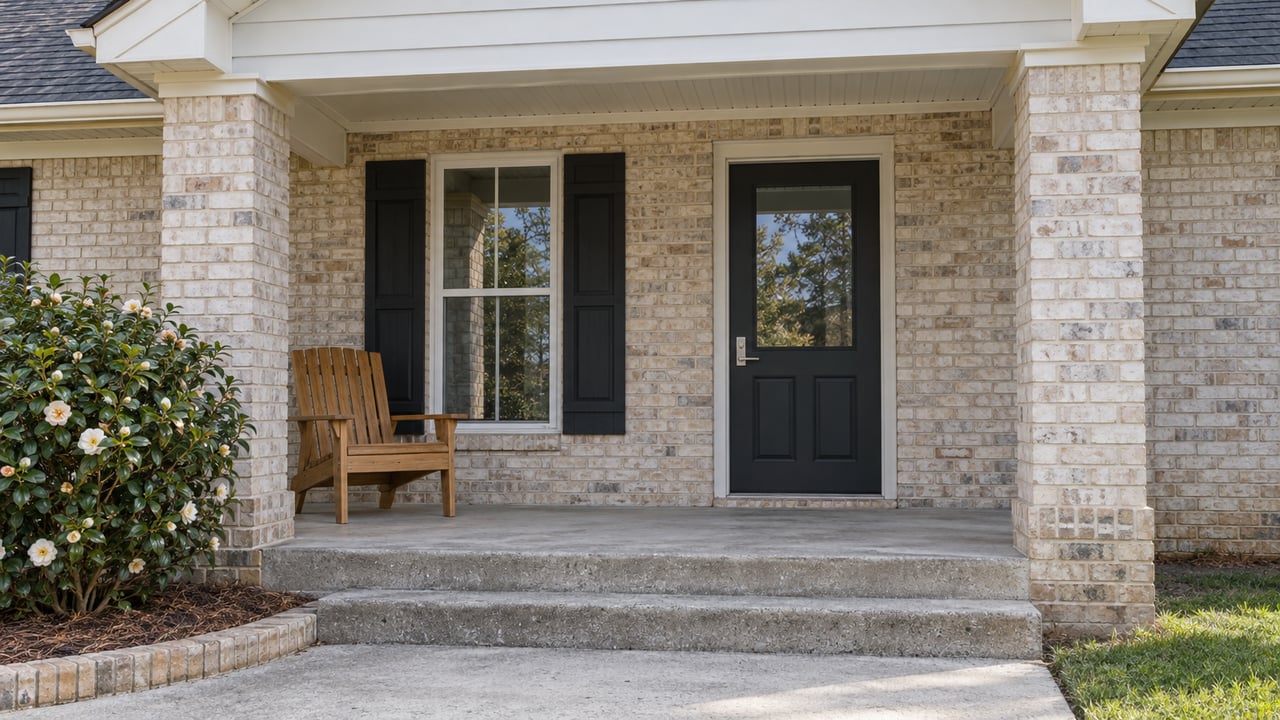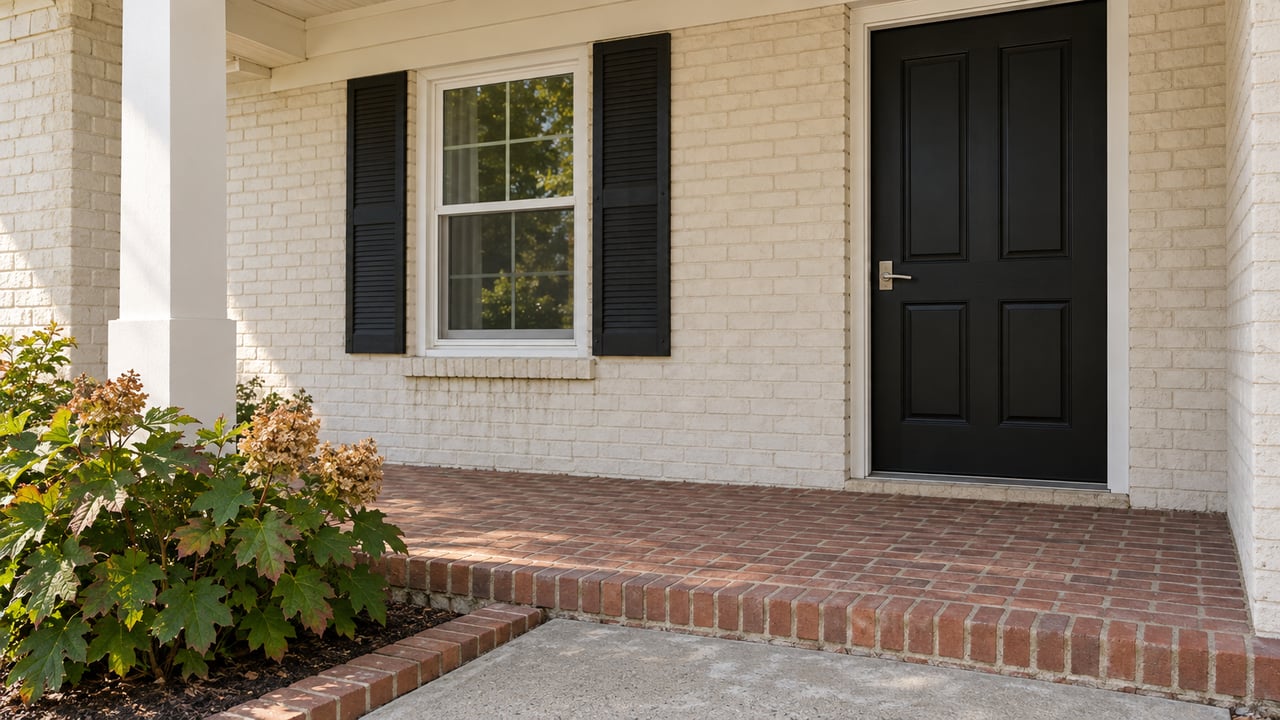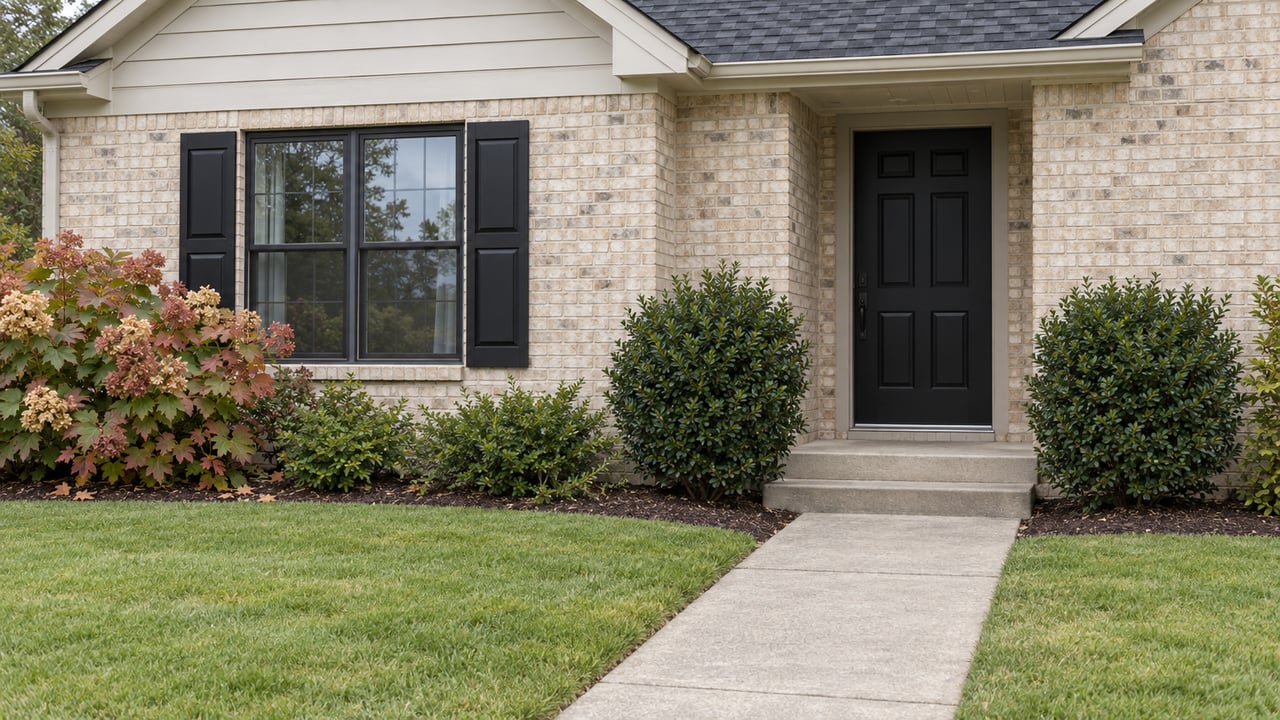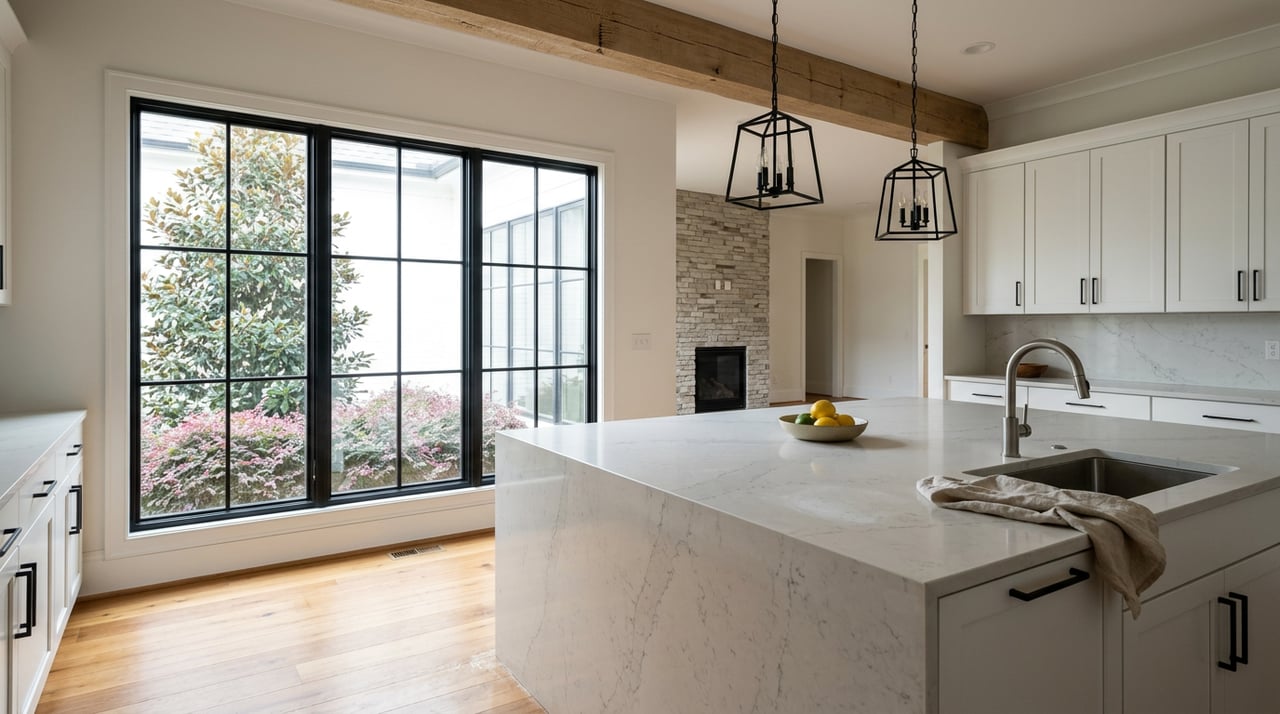
Thinking about buying your first home and wondering if a brand-new place at The Summit in Troy is the right move? You are not alone. Many first-timers weigh the ease and warranty of new construction against the price and character of resale homes. In this guide, you will see how The Summit stacks up on price, process, financing, upgrades, and day-to-day fit so you can move forward with confidence. Let’s dive in.
Quick look at The Summit
The Summit at Oak Park is a D.R. Horton community in Troy that offers 3 to 5 bedroom floor plans ranging from roughly 1,497 to 2,599 square feet. You will see a mix of quick-move-in homes and to-be-built options. Recent list prices have ranged from the high $200s into the low-to-mid $300s. The on-site sales office is shown at 101 Sawtooth Drive.
Location is a plus. The community sits within a short drive of Troy University, which reported about 14,600 total headcount in Fall 2023 across its campuses, a steady local demand driver for the area. You are also about 50 miles from Montgomery, roughly a 55 to 60 minute drive for commuters or big-city amenities, according to the Troy-to-Montgomery drive distance. School assignments commonly shown for lots near The Summit include Troy Elementary and Charles Henderson Middle and High. Always confirm current assignments directly with the district.
New build vs. resale value
Local medians in Pike County and the City of Troy have hovered in the low-to-mid $200s in recent snapshots, with city medians near the mid $200s. That means many new homes at The Summit will price above the county median and often above city median resales. You will want to compare the all-in monthly cost of a new home with a warranty against the potential savings of a lower-priced resale that may need repairs.
A new build can reduce early maintenance surprises, which helps first-time buyers who want predictable costs. On the other hand, a well-kept resale might offer a larger yard or mature landscaping at the same budget. Your best move is to shop both categories and compare location, layout, condition, and total ownership cost.
Spec or to-be-built
Quick-move-in benefits
A quick-move-in, also called a spec home, is already built or nearing completion. You can finance it like a resale with a standard mortgage and close as soon as the builder is ready. This path is usually the fastest for buyers who have a solid pre-approval and a set timeline.
Build-from-plan basics
If you want more say in finishes or you need a later move-in date, a to-be-built home may fit. A typical production build often runs about 6 to 9 months from start to finish, though timelines vary by plan and materials. Always ask for a written schedule with milestone dates and regular updates.
Financing a from-scratch build can involve a construction-to-permanent loan, which gives you one closing and a rate that converts to your permanent mortgage. You can also use a construction-only loan with a separate end loan, but that requires two closings and staged draws. For a primer on how draws, inspections, and single-close options work, review this construction-to-permanent overview and compare lender programs.
Appraisals and pricing confidence
In very new neighborhoods, appraisers may have fewer nearby sales to compare. That can raise the risk of an appraisal that comes in lower than the contract price. To reduce stress, talk with your lender and agent about appraisal contingencies, potential builder concessions, and how to request a review if you believe the value is supportable. This guide to appraising new construction outlines why new builds can be tricky and how professionals evaluate them.
Contracts, walkthroughs, and warranties
Key contract items to review
Before you sign, confirm the deposit amount and whether it is refundable, the completion date and any penalties for delays, what features are standard, and what counts as an upgrade. Ask about lot premiums and whether they are refundable if plans change. Get the change-order process in writing, including deadlines and cost impacts.
Walkthroughs and phase inspections
Municipal inspections confirm code, but they are not a full quality review. Many buyers schedule independent “phase” inspections at key points like pre-drywall and at final to document items before walls close and before you move in. The National Association of Realtors has an at-a-glance look at why phase inspections are smart for new construction. See the NAR field guide to home inspections to understand what pros look for.
What the warranty should cover
Most reputable production builders provide a written new-home warranty. A common structure is sometimes called 1-2-10. That means one year for workmanship, two years for systems, and up to ten years for major structural coverage, often backed by a third-party insurer. Ask if homes in The Summit carry a transferable, insurer-backed structural policy and get the booklet in writing. This overview of builder warranty coverage explains typical protections and limits.
Smart upgrades that hold value
You do not need every upgrade to love your home. Focus on choices that are hard or costly to change later, or that boost curb appeal and durability. National Cost vs. Value research shows exterior, curb-appeal projects often deliver strong near-term resale ROI. Review the latest Cost vs. Value findings for examples you can translate to your plan.
High-leverage picks
- Durable flooring where your household lives the most.
- An upgraded entry or garage door for curb appeal.
- Modest exterior accents that enhance first impressions.
- A paint package that feels bright and cohesive.
Kitchen and bath strategy
Midrange kitchen and bath upgrades often return a healthy share of cost and make daily life better. Think counters, cabinet fronts, and reliable appliances over expensive custom features. Match your selections to typical finishes in Troy comps so you do not over-improve for the neighborhood.
Energy and systems choices
Upgrading HVAC efficiency, insulation, windows, and duct sealing can lower monthly costs and add comfort. Some energy improvements may qualify for federal credits if installed later on eligible existing homes, so weigh timing and incentives with your tax advisor. You can review current federal programs through the IRS Residential Clean Energy Credit.
Prep steps before you tour
Do a bit of homework before you visit the model or a spec home so you know what to ask and how to compare.
- Get a full mortgage pre-approval so you can judge pricing and any incentives with confidence.
- Ask the sales office for the current price list, lot map with any lot premiums, HOA draft covenants, the base features list, upgrade menu, and the warranty booklet.
- Verify utilities and site conditions. If a lot sits low or near drainage, review grading and flood risk. For a how-to specific to this community, see our guide to a flood zone check for The Summit.
What to check during your visit
Bring a tape measure, your phone, and a simple checklist.
- Measure key rooms and confirm ceiling heights and storage. Make sure your furniture fits.
- Test appliances and fixtures when possible. Note any cosmetic issues for a punch list.
- Ask who the site superintendent is and how communication works during construction.
- Clarify the change-order policy, completion date, and what happens if the builder misses it.
- Compare builder-preferred lender incentives to outside lenders. Focus on total cost, not just the rate.
- Visit the area at different times of day and take exterior photos to review later.
After the visit
- Have your agent collect the draft contract, feature sheet, upgrade prices, HOA documents, and warranty terms.
- Review negotiable items like lot premiums, closing credits, and finish upgrades.
- If you plan a phase inspection, schedule the pre-drywall and final dates early so your inspector can access the home at the right time.
Sample timeline to plan around
Every build is different, but here is a simple framework to help you set expectations.
- Week 0 to 1: Choose plan or spec, confirm pre-approval, sign contract, pay deposit.
- Weeks 1 to 4: Finalize options, confirm lender, order appraisal when applicable.
- Weeks 4 to 24-plus: Construction phase. Expect foundation, framing, rough-ins, inspections, and finishes across this period. A production build often runs about 6 to 9 months from start to finish.
- Weeks 20 to 28: Pre-drywall inspection, then final orientation and punch list.
- Closing week: Verify Certificate of Occupancy timing, complete lender conditions, do a final walkthrough, and close.
Buying a spec home can compress this to a few weeks once the home is finished and the builder is ready to close.
Red flags and risk reducers
- Appraisal gap risk. Plan for options if value comes in low, like builder concessions or adding cash to close. Talk through scenarios with your lender early.
- Incentives tied to one lender. Preferred lender credits can help, but compare the full loan estimate so you are not overpaying elsewhere.
- Incomplete items at closing. If small items will finish after move-in, document them on the punch list and consider a written holdback or a firm completion timeline.
- Warranty clarity. Get the full warranty booklet, claim process, and transfer rules in writing before you sign.
Is The Summit a fit for your first home?
Choose The Summit if you value a move-in-ready feel, modern layouts, and predictable maintenance backed by a warranty. Quick-move-in options help if you have a firm timeline, while to-be-built homes let you personalize within a set budget. If your priority is the lowest upfront price, or if you love the character of established neighborhoods, a well-kept resale elsewhere in Troy may work better.
Either way, a local advisor who knows the neighborhood, the builders, and the resale market can help you compare the real numbers and avoid costly surprises. If you want a second set of eyes on your plan, pricing, or upgrade list, reach out to David Adams for straight talk and local guidance.
FAQs
What price range are homes at The Summit in Troy?
- Recent listings have ranged from the high $200s into the low-to-mid $300s, depending on the plan, lot, and finish choices. Always verify current pricing with the on-site sales team.
How long does a D.R. Horton build usually take?
- A typical production build often runs about 6 to 9 months from start to finish, though exact timing depends on plan, materials, weather, and inspections. Get a written schedule from the builder.
How do I finance a from-scratch build at The Summit?
- Many first-timers use a construction-to-permanent loan with one closing and staged draws. Review this construction loan overview and compare it to standard mortgages for specs.
Do I need an inspection on a brand-new home in Troy?
- Yes. Independent phase inspections at pre-drywall and final can catch issues early. See the NAR field guide for what inspectors typically review.
What upgrades tend to hold value in Pike County?
- Curb-appeal upgrades and solid midrange kitchen or bath choices often perform well. The Cost vs. Value report shows national ROI patterns you can adapt to Troy comps.
How far is The Summit from Montgomery for commuting?
- The drive is about 50 miles and typically takes around 55 to 60 minutes. See the Travelmath distance estimate for context.
Does proximity to Troy University affect demand near The Summit?
- Troy University reported about 14,600 total headcount in Fall 2023 across its campuses, which supports steady area activity. See the university’s Quick Facts for current figures.