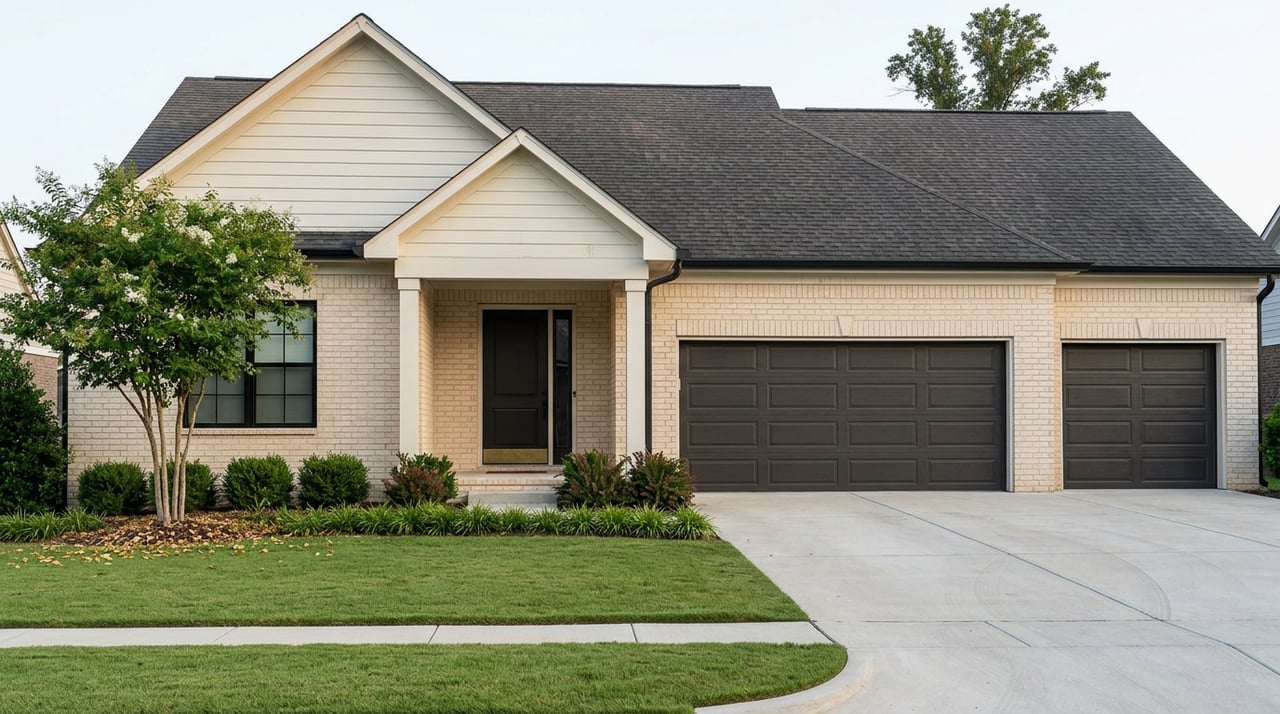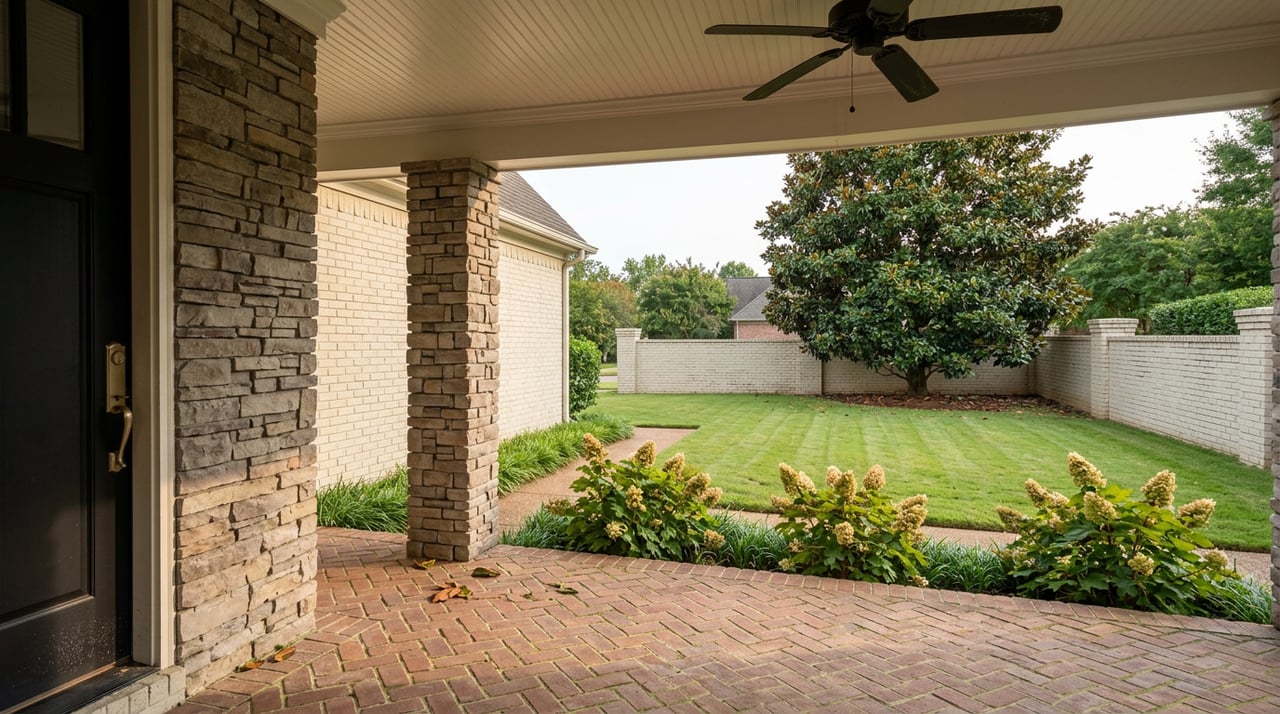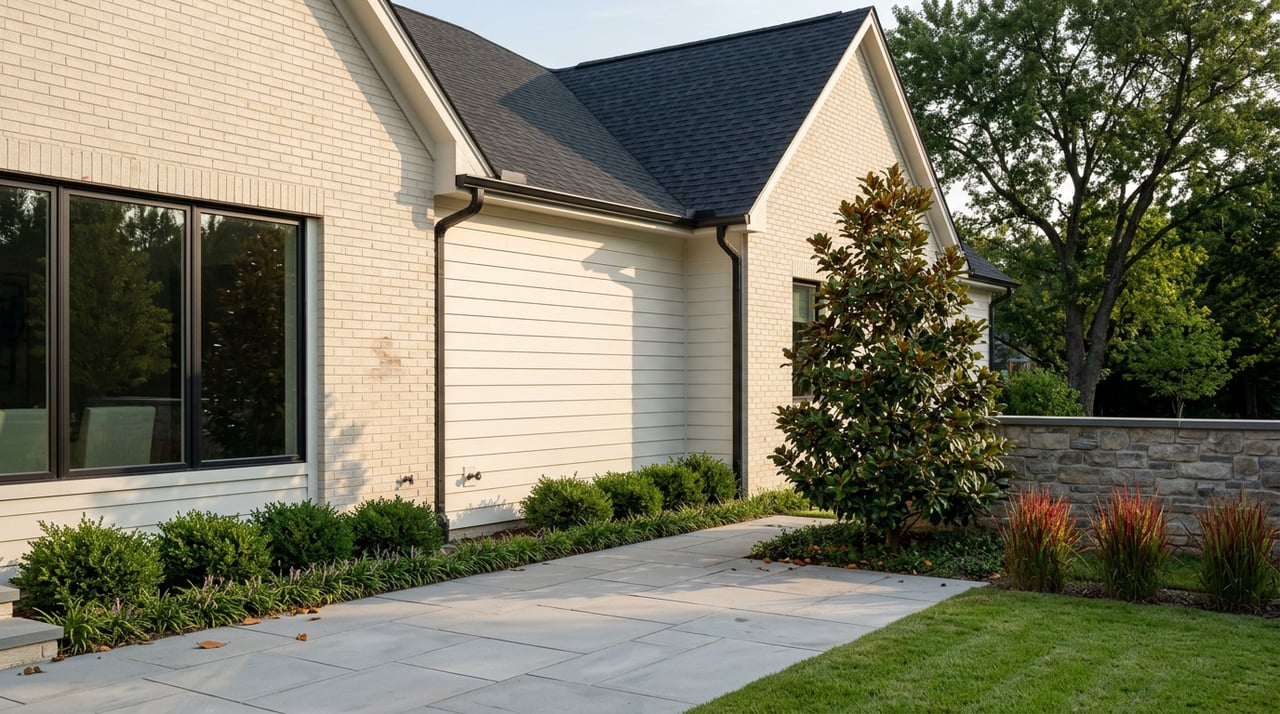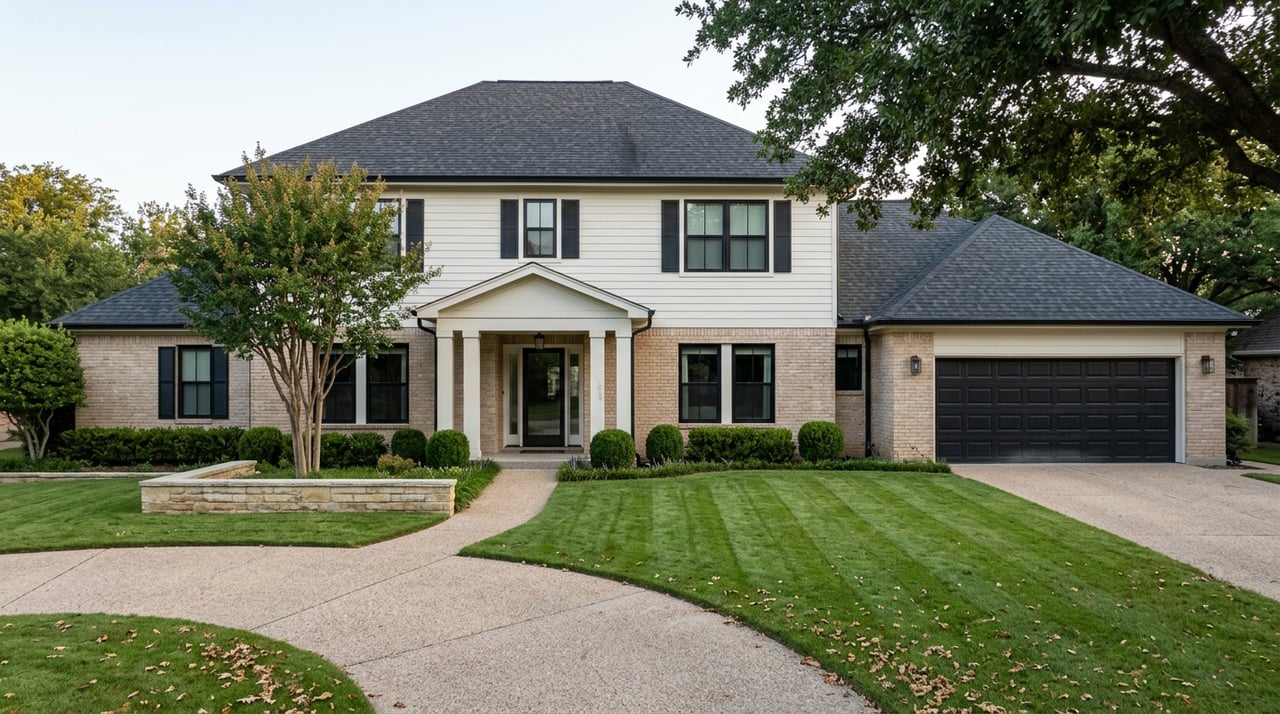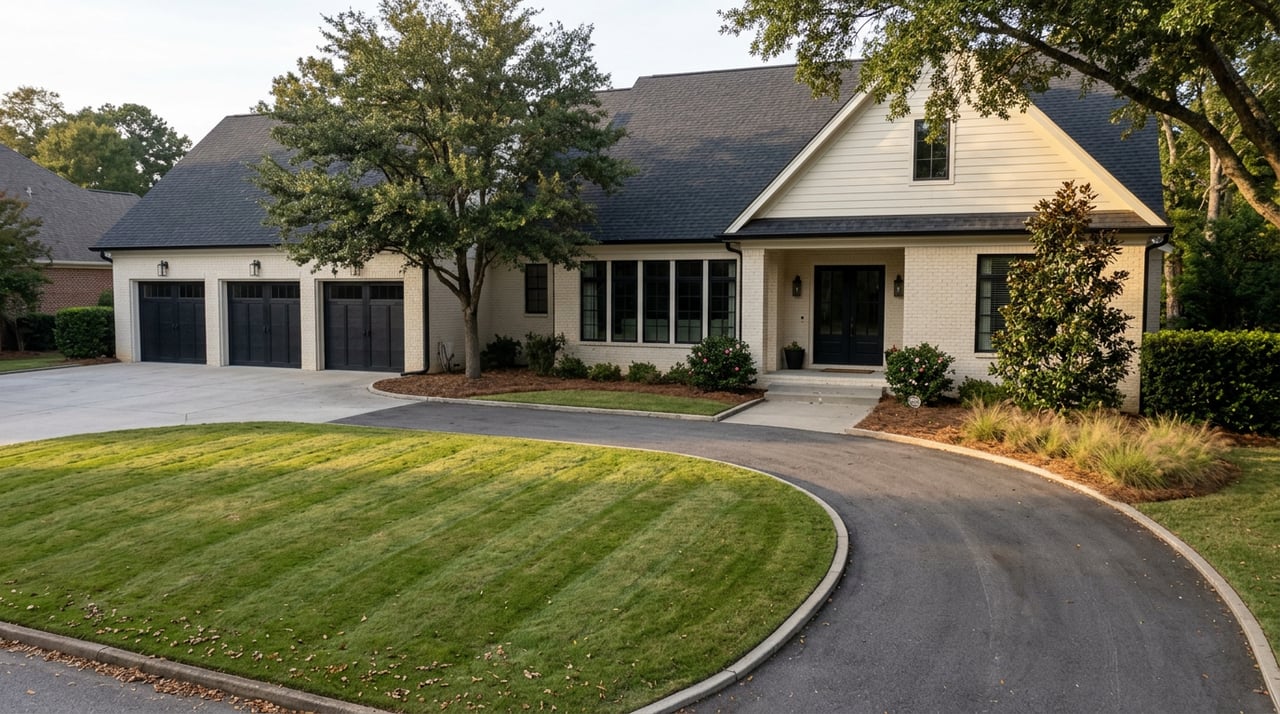
A buyer searching listings for "Country Club" homes in Troy, Alabama will pull up a modest new-construction house on Olivia Way with three bedrooms and 1,600 square feet, and a ten-acre estate on Vincent Avenue with six bedrooms, seven and a half baths, and 10,000 square feet under roof. Both carry the same neighborhood name in their marketing copy. Neither listing tells you, in plain language, that they sit in two different places relative to an actual golf course and clubhouse.
That gap is not a fluke of listing copywriting. It reflects something real about how Troy's real estate around its country club actually works, and it matters if you are comparing this area to anywhere else in town.
Two Products, One Name
Troy Country Club operates as a private club with a golf course and dining for members. It is a physical piece of ground with a fence line, not a marketing concept. Some homes sit inside that boundary, built on acreage that borders the fairways. Others sit in Country Club Estates, a separate platted subdivision nearby, close enough to use the name but outside the gates. How close is easy to pin down from the listings themselves: one development parcel for sale in the area describes itself as about a mile from Troy Country Club and eight tenths of a mile from Country Club Estates subdivision, which puts the two landmarks within easy driving distance of each other but confirms they are not the same address.
The 115 Vincent Avenue estate is the first kind. Its listing describes ten acres "nestled within the prestigious Troy Country Club," with six bedrooms, seven and a half baths, and a three-car garage. That is a property whose value is tied directly to being on club grounds, on a lot large enough to function almost like its own small compound.
The 107 Olivia Way house is the second kind. It sits in Country Club Estates, described in its own listing as "Troy's most prominent neighborhood," and offers 1,600 square feet of heated and cooled space with three bedrooms and two full baths. It is a starter-scale new build that borrows the name for credibility without sitting on the course.
Both are honest descriptions. Neither is misleading on its own. The problem shows up only when you try to compare them, or when you see "Country Club" in a search filter and assume it means one thing.
What a 100-by-165 Lot Tells You
The lot sizes inside Country Club Estates make the split even clearer. One recent listing offered a 100 by 165 foot homesite in the subdivision for under $300,000, room enough for a house, a pool, and a yard, but a footprint that would fit inside a fraction of an acre. Another listing in the same subdivision offered a 1.8 acre lot, also under $300,000, both marketed with nearly identical language about being in "one of Troy's most desirable neighborhoods."
That is a six to one difference in land size for roughly the same asking price range, inside the same platted subdivision, using the same marketing phrase. If you are shopping by neighborhood name instead of by lot line, you cannot tell from the label alone whether you are looking at a standard suburban parcel or something closer to acreage living. You have to look at the plat.
None of this shows up if you only skim the neighborhood name. It shows up the moment you pull the actual lot dimensions, which is exactly the step a lot of online searches skip.
The Median Price Doesn't Settle It Either
If you try to shortcut the comparison by looking up "Troy home prices," you will run into a second version of the same problem, this time at the citywide level. As of May 2026, one major portal put Troy's median sale price at $268,239, up 2.7 percent year over year. Another source measuring the same month put the median at $256,600. A third, using June 2026 data, listed the median list price at $338,000.
Those numbers are not contradictions in the sense of one being wrong. They come from different slices of the market, different date windows, and different definitions of median versus average, list price versus sale price. But if you are a buyer trying to figure out what "typical" looks like in Troy before you even get to a specific neighborhood, you are already working with a number that moves by tens of thousands of dollars depending on which site you happened to click.
Layer the Country Club naming split on top of that, and a single quoted median for the area tells you almost nothing about what a specific address will cost. The city-level median blends starter homes and estate acreage across every neighborhood. The Country Club name blends a subdivision lot with club-grounds acreage. Two blended numbers stacked on top of each other is not a fact you can shop with. It is an average of an average.
Why the Fence Line Matters More Than the Street Name
The practical takeaway is not that one product is better than the other. A family that wants a manageable yard, a shorter commute to schools and shopping, and a new-construction house at a starter price point is well served by Country Club Estates. A buyer who wants acreage, privacy, and direct proximity to a golf course, and who has the budget for it, is looking for something closer to the Vincent Avenue type of property, whether or not that specific home is still on the market when you're looking.
The mistake is treating "Country Club" as a single tier of the Troy market, the way a buyer might treat a gated subdivision or a lake community as one consistent product. Here, the name spans two different buyer profiles and two different price bands, and the only way to know which one a listing belongs to is to check where the lot actually sits relative to the club's boundary, not what the listing description implies.
That distinction is also worth carrying into how you read comps. If you are pricing a home in Country Club Estates and your agent pulls a comp from a property that borders the golf course, you are not comparing like to like even though both listings used the same neighborhood name. The acreage, the fence line, and the buyer pool are different enough that the comp should be adjusted, not applied directly.
What This Means If You're Comparing Neighborhoods
If Country Club is on your shortlist alongside other Troy neighborhoods, the useful question is not "what does Country Club cost" but "which Country Club am I looking at." Ask for the plat or the parcel map before you fall in love with a listing description. Ask whether the lot borders the golf course or sits in the platted subdivision nearby. Ask what the actual acreage is, since a 100 by 165 foot lot and a 1.8 acre lot can carry the same asking price and the same neighborhood name while offering very different amounts of land.
The same discipline applies to any Troy area where a name carries more marketing weight than geographic precision. A neighborhood label is a starting point for a search, not a substitute for pulling the specific parcel and checking what it actually borders.
FAQ
Is Country Club Estates the same as Troy Country Club? No. Troy Country Club is the private club itself, with its own golf course and clubhouse. Country Club Estates is a separate platted subdivision located near the club, close enough that a nearby development parcel markets itself as about a mile from the club and eight tenths of a mile from the subdivision. Homes in the subdivision use the club's name for location context, but they are not on club grounds.
How can I tell if a specific listing actually borders the golf course? The listing description alone is not always clear. Pull the parcel map or ask your agent to check the property line against the club's boundary. Acreage size is a useful clue too. Properties directly on club grounds in this market have run into multiple acres, while subdivision lots nearby have ranged from a fraction of an acre up to about two acres.
Do I need a club membership to buy a home near Troy Country Club? Buying property near or bordering the club does not require membership. Troy Country Club operates as a private club with its own membership process for use of the golf course and dining facilities, separate from home ownership in the surrounding area.
If you are weighing a lot in Country Club Estates against a larger parcel closer to the course, or trying to figure out what a specific Troy neighborhood name actually means for your budget, David Adams Realty can walk the plat with you before you make an offer. Get your free home valuation or talk to a local expert who knows which fence line you're actually buying inside.