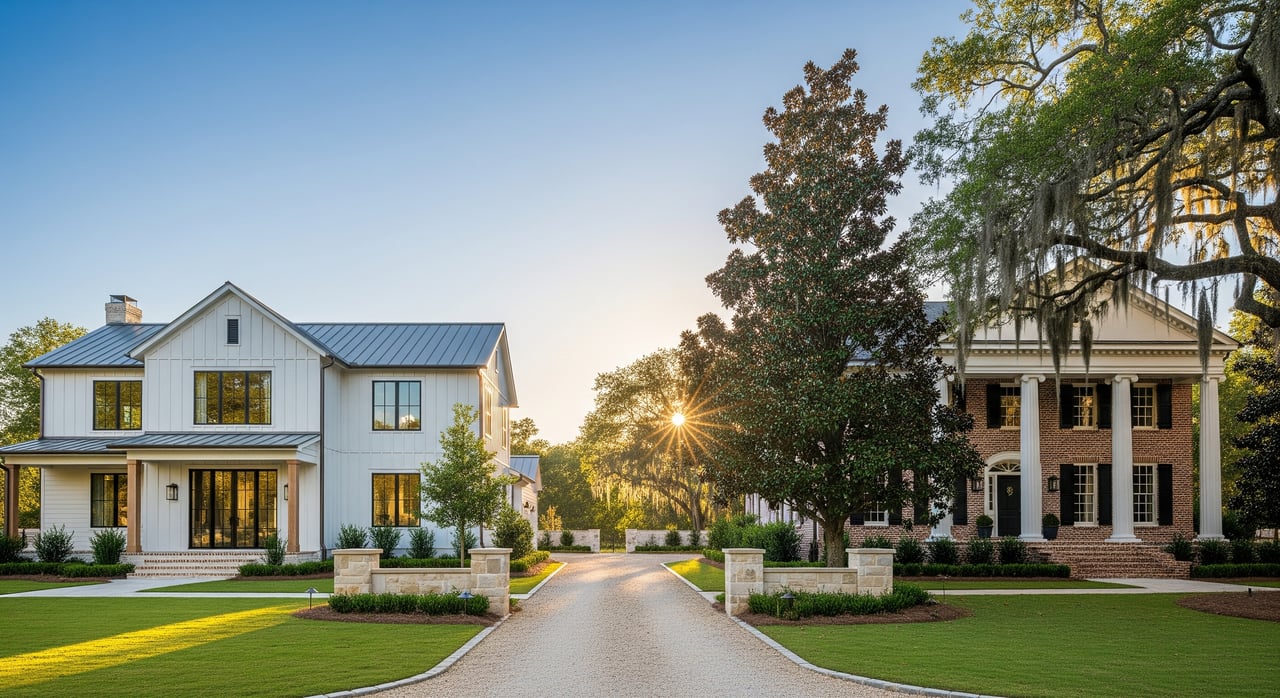
Trying to decide between a new build or a resale in Diamond Fields? You are not alone. Buyers in the 36079 area often balance timing, budget, and how much work they want to take on. In this guide, you will get a clear comparison of costs, timelines, inspections, utilities, and local factors that matter in Pike County. You will also find a simple plan to move forward with confidence. Let’s dive in.
Confirm Diamond Fields details
Before you compare homes, confirm exactly what “Diamond Fields” refers to in the 36079 area near Brundidge. Is it a platted subdivision, a section of larger acreage, or an informal neighborhood name? This affects utilities, permitting, and what lots may be available.
Also verify whether a specific address is served by municipal water and sewer or needs well and septic. If septic is required, you will want a soil percolation test and a septic permit. Clarify road access, driveway needs, and whether the lot is on a paved or private gravel road. These details influence cost, timeline, and daily convenience.
New build vs resale: quick view
| Factor | New Build | Resale |
|---|---|---|
| Purchase price tendency | Often higher per square foot for new systems and finishes | Often lower entry price, but potential for near-term repairs |
| Time to move | Build cycle typically months; delivery can vary with weather and site prep | Often 30 to 45 days from contract to close |
| Financing path | May require a construction or construction-to-perm loan; builder incentives vary | Conventional, FHA, VA, or USDA loans common |
| Inspections and warranty | Independent inspections recommended; builder warranty typically included | Full home inspection, repair negotiations, and standard disclosures |
| Customization | You can select plans and finishes if early in the process | Limited to post-closing updates you complete |
| Energy and systems | Current energy codes, new HVAC, modern electrical and insulation | Systems age varies; consider upgrade budgets |
| Maintenance in early years | Generally lower maintenance at first | May need immediate projects, from roof to HVAC |
| Resale dynamics | New neighborhood premiums can normalize as inventory fills in | Established landscaping and curb appeal may help resale |
| Utilities and site costs | Verify hookups, septic design, and driveway grading upfront | Existing hookups and landscaping may reduce surprises |
Costs and ownership
Purchase price and incentives
New construction often carries a premium per square foot for modern features and builder warranties. Resales may start lower but can require upgrades or system replacements in the first few years. Ask about builder incentives, what the base price includes, any HOA or lot fees, and which finishes are standard versus upgrades.
Financing and timeline
Most resales can close in roughly 30 to 45 days, depending on inspections and loan underwriting. New builds typically take longer, often 4 to 9 months, and timelines can be affected by weather, site preparation, and supply availability. If you pursue new construction, discuss construction-to-permanent options with a local lender and confirm whether the builder accepts VA or other loan types.
Insurance, taxes, and programs
Budget for homeowners insurance and note that new construction may prompt a property tax reassessment after completion. Many rural ZIP codes offer powerful financing options. Explore USDA Rural Development programs and property eligibility for potential zero-down paths, and review Alabama Housing Finance Authority homebuyer programs for down payment assistance or favorable terms. Eligibility depends on the exact property address and your qualifications.
Condition and inspections
Resale homes come with a history. You should conduct a full home inspection and review any available disclosures. Pay close attention to roof age, HVAC condition, foundation, plumbing, electrical, and septic.
New builds also benefit from independent inspections. Schedule checks at key stages, such as pre-drywall and a final walk-through. Review the builder’s warranty for length and coverage, including structural, systems, and workmanship. Ask how warranty requests are handled and typical response timelines.
Utilities and site factors in 36079
Site-specific details can make or break your budget. Confirm water and sewer service, or plan for well and septic with a percolation test and septic permit. Ask utility providers about connection fees and timing. For lots with slope or drainage challenges, get estimates for grading, culverts, or special foundations.
Always confirm flood risk before you buy. Use the FEMA Flood Map Service Center to check a property’s flood zone, insurance needs, and any elevation requirements. Broadband access, cell coverage, and power availability can also affect daily life and work-from-home plans.
Lifestyle and timing
If you need to move soon, a resale may fit your timeline better. You get established landscaping, shade trees, and a known street context right away. If you want a tailored layout or modern systems with lower early maintenance, a new build can be worth the wait. Consider your commute patterns to Troy and surrounding employment centers, and verify school zoning through the Pike County School District.
Your decision plan
Use this simple plan to choose with confidence:
- Confirm neighborhood facts. Verify the exact location, subdivision status, and any covenants or restrictions.
- Map utilities. Determine water, sewer or septic, electric, and broadband options before you commit.
- Clarify your timeline. Decide how quickly you need keys and whether a build cycle works for you.
- Get loan-ready. Compare a conventional, FHA, VA, or USDA path for resales with a construction-to-perm option for new builds.
- Compare 5-year costs. Add purchase price, upgrades, energy bills, insurance, taxes, and likely maintenance.
- Inspect thoroughly. Order full inspections on resales and stage inspections for new builds, plus septic and soil tests if needed.
- Check flood risk. Review FEMA flood maps and discuss insurance implications.
- Lean on local expertise. A hands-on local advisor can verify details with county offices, builders, and utility providers.
Local resources
- Check a property’s flood zone and potential insurance needs with the FEMA Flood Map Service Center.
- Explore financing options and address eligibility through USDA Rural Development.
- Review down payment assistance and loan programs at the Alabama Housing Finance Authority.
- For county-level context, see U.S. Census QuickFacts for Pike County.
Choosing between a new build and a resale in Diamond Fields comes down to timing, budget, and how much customization you want. If you want help verifying utilities, builder timelines, local permitting, or financing options, reach out to a trusted local guide. Talk with David Adams to compare your options and move forward with a plan that fits your life.
FAQs
How long does a new build take in 36079?
- Many local builds take about 4 to 9 months, with timing shaped by weather, site prep, materials, and builder scheduling.
Can I use USDA or VA loans in Diamond Fields?
- Many rural addresses may qualify for USDA, and many builders accept VA, but you should verify loan type and address eligibility with your lender and the USDA site.
What inspections should I order for new construction near Brundidge?
- Plan for a pre-drywall inspection, a final inspection, and septic and soil testing if the home uses a septic system.
How fast can I close on a resale in Pike County?
- A typical resale can close in about 30 to 45 days, subject to inspections, appraisal, and loan underwriting.
How do utilities and septic affect build costs in Diamond Fields?
- If the lot needs a well and septic, include percolation tests, septic permits, and potential grading or driveway work in your budget, since these can add time and cost.