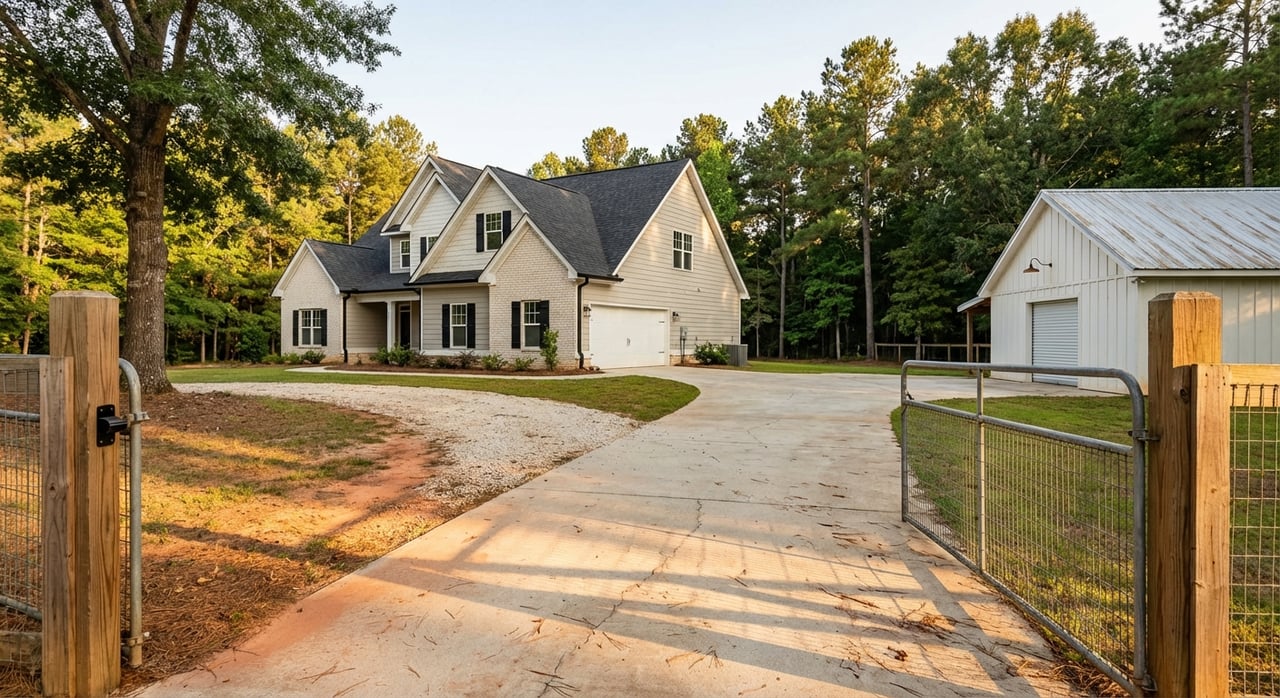
Thinking about selling a country home or family place in Goshen? Rural sales come with unique steps, from confirming legal authority to sell to documenting wells, septic systems and acreage. With a clear plan, you can move from “where do I start?” to a smooth closing on your timeline. This guide walks you through what to gather, how to prepare, and how to price and market a rural property in Goshen and Pike County. Let’s dive in.
Know your Goshen market
Goshen is a small, incorporated town in Pike County with a population of roughly 200 to 300, located about 10 miles from Troy. That proximity to Troy influences buyer traffic, showings and access to services. You can confirm local context in the town’s Goshen, Alabama overview.
Property values in the Goshen area vary widely by acreage, access and improvements. Small residential lots can price very differently from larger tracts or estates with barns and fencing. The most reliable pricing comes from local MLS sales data and a land‑savvy agent who understands per‑acre patterns in Pike County. Getting your property on the Pike County Board of Realtors MLS helps your listing syndicate broadly and match how buyers search. You can read more about how MLS distribution works through this MLS reference.
One local advantage is carrying cost. Pike County’s effective property tax rate is generally low compared with many U.S. counties. A recent summary places median effective property tax around 0.3 percent, with typical annual bills in the low hundreds. Always verify current amounts with the Pike County Tax Assessor, and review your latest bill before listing. For context, see this Pike County property tax overview.
Gather legal and title essentials
Before you set a price or take photos, confirm everything you need to show clear title and answer common buyer questions. Start a digital folder and collect:
- Recorded deed and any prior conveyances, plus any mortgage satisfaction or release.
- Current survey or plat. If the survey is old or missing, plan for an update, especially for acreage.
- Recent property tax bill, parcel or tax ID, and proof of payment.
- Copies of any recorded easements, rights of way or private road agreements.
- Utility details: electric provider, meter info, well log and water tests, septic records and permits, and recent service receipts.
- Documents that affect land rights: timber deeds, hunting or farm leases, mineral reservations, conservation easements or rights of first refusal.
- Insurance claim history, recent appraisals or inspections, and a list of capital improvements with dates.
If you are selling an inherited property
In Alabama, an executor or administrator can sell estate land, but a sale may require an application to and order from the probate court. Procedures are set out in Title 43 of the Code of Alabama, which covers how a sale is authorized, noticed and confirmed. If a will specifically authorizes a sale, the process can differ. If there is no will, the administrator must follow statutory procedures. You can review the statutory framework here: Alabama Title 43, Chapter 2.
Two immediate steps help you stay on schedule:
Confirm sale authority. Make sure letters testamentary or letters of administration have been issued, or confirm trustee authority if the property is in a trust. A local probate attorney can guide you on timing and whether a court order is needed to authorize the sale.
Order a title search and consider a survey update. Clearing any title questions and confirming boundaries early prevents delays once a buyer is under contract.
Prepare the property for rural buyers
Your goal is to make the property easy to access, safe to tour and simple to understand on paper. That cuts buyer friction and supports a stronger offer.
Access and first impressions
- Grade or gravel driveways where needed and repair culverts that affect access. Post a visible address number at the road and main drive.
- If there are gates or livestock, secure animals and provide clear showing instructions. Share a caretaker contact if you cannot be on site.
- Mow lanes to the home and key features like barns, ponds or scenic spots so buyers and appraisers can tour confidently.
Outbuildings and fencing
- Inventory barns and sheds with photos and condition notes. Buyers place real value on functional outbuildings and pasture fencing.
- If you know about structural or electrical hazards, address them or plan to disclose. Concealment risks post‑sale issues even in a buyer‑beware state.
Septic systems and private wells
- Gather septic permits, installation records and pump or inspection receipts. If records are missing, be ready for a system evaluation and a buyer septic inspection.
- For private wells, compile the well log and any water quality tests. Many buyers request independent testing, so make that easy.
- If you need to confirm who to contact about onsite wastewater permits or inspections, the EPA maintains a directory of state and local contacts. Alabama’s program details are linked through the EPA’s septic program contacts.
Timber, minerals and leases
- Confirm whether timber or mineral rights are intact or were severed in the past. If timber value is significant, consider a forester or timber appraiser to estimate standing value.
- If the estate includes active hunting or agricultural leases, gather copies and note terms and expected rents or royalties.
Environmental notes
- Check FEMA flood maps and note any low‑lying or wetland‑prone areas. If there have been drainage issues, document history and any remediation. Lenders often require formal flood determinations for financed buyers.
Pricing strategy that fits acreage and home
Rural pricing benefits from two lenses:
- Improved home comps. Look at nearby homes of similar size and condition on similar utilities and access.
- Land comps. Price per acre varies with parcel size, shape, usable acreage, timber and pasture mix, and road access. Larger tracts often see a lower average price per acre.
Because public listings show a wide range of list prices, historical MLS sales in Pike County are your best guide. Ask your agent for a broker opinion of value, and consider an appraisal from a land or acreage appraiser when the improvements or timber value are unique.
Listing distribution and marketing
Your primary channel is the local MLS through the Pike County Board of Realtors. Listing on the MLS ensures broad syndication to major consumer portals and land networks that buyers already use. If you want a quick primer on MLS distribution, see this MLS reference.
For a rural home or estate, strong marketing materials make a difference:
- Professional photos with a few aerials to show driveways, tree lines and parcel context.
- Clear parcel maps with boundary outlines.
- A one‑page factsheet that lists acreage, pasture or timber notes, utility details, well and septic information, and access points.
- A simple explanation of how the price relates to land plus improvements, especially when acreage is significant.
Showings and safety logistics
- Schedule tours by appointment. Provide gate instructions, the best approach route and designated parking to avoid crossing crops or sensitive areas.
- For remote sellers or heirs, assign a local agent or caretaker to manage keys and gate codes. Share documents digitally and coordinate with the closing attorney or title company for notarization and final signatures. Many closers can support remote or mail‑away signing. Confirm what is accepted locally at the start.
Timeline and closing expectations
Rural properties often take longer to sell than well‑priced suburban homes because the buyer pool is smaller. Your timeline will depend on price, accessibility, acreage and the uniqueness of the improvements. Build in time for septic and well inspections, survey updates, and any probate steps if the property is in an estate.
Most buyers will request title insurance. If the sale is through an estate, any required probate court confirmation needs to be scheduled so it does not delay closing. Work with a local title company or closing attorney that records in Pike County and understands rural deal mechanics.
Quick checklist for sellers or heirs
Documents to assemble
- Deed, prior conveyances and any mortgage release.
- Current survey or plat and the full legal description.
- Latest property tax bill and parcel ID.
- Well log and recent water tests, septic permits and pump or maintenance receipts. See program contacts via the EPA septic directory.
- Copies of timber deeds, hunting or farm leases and any mineral reservations.
- Insurance and claims history, recent appraisals, repair invoices and improvement permits.
- For estates, letters testamentary or letters of administration, or trust documents if a trustee is selling. Review the Alabama probate framework.
Recommended professionals
- A Pike County agent experienced with land and acreage who can price with both home comps and per‑acre comps and list on the local MLS.
- A Pike County probate attorney if the property is part of an estate.
- A licensed surveyor for boundary and acreage confirmation.
- A licensed septic contractor and a lab for well water testing.
- A registered forester or timber appraiser if timber value is material.
- A local title company or closing attorney that handles Pike County recordings.
Ready to map out your sale in Goshen? With local knowledge and a hands‑on plan for rural details, you can shorten days on market and avoid surprises at closing. If you would like a clear pricing strategy, a document checklist tailored to your property and market‑ready marketing, connect with David Adams for a friendly, local plan that fits your goals.
FAQs
What should I do first when selling an inherited rural property in Goshen?
- Confirm your legal authority to sell by obtaining letters testamentary or letters of administration, or trustee authorization, then order a title search and consider a survey update so you can list without delays. See the Alabama probate framework for the process.
Do I need a new survey to sell acreage near Goshen?
- If your survey is outdated or missing, a new survey is often requested by buyers and lenders for acreage sales, so ordering one early helps avoid last‑minute issues and improves buyer confidence.
What property disclosures are required when selling a rural home in Alabama?
- Alabama follows a buyer‑beware approach for used residential property, so there is no statewide mandatory condition form, but you must avoid misrepresentation and answer direct questions honestly. Federal rules still apply to pre‑1978 housing. Learn more in this overview of Alabama disclosure practice.
How are private wells and septic systems handled in Pike County sales?
- Buyers commonly request water testing and septic inspections, and lenders may require documentation. Gather your permits, logs and service receipts, and consult Alabama program contacts through the EPA septic directory.
How do Pike County property taxes affect my closing?
- Pike County’s effective property tax rate is relatively low, and taxes are typically prorated between buyer and seller at closing. Verify your current bill with the Tax Assessor. For context, review this Pike County tax overview.