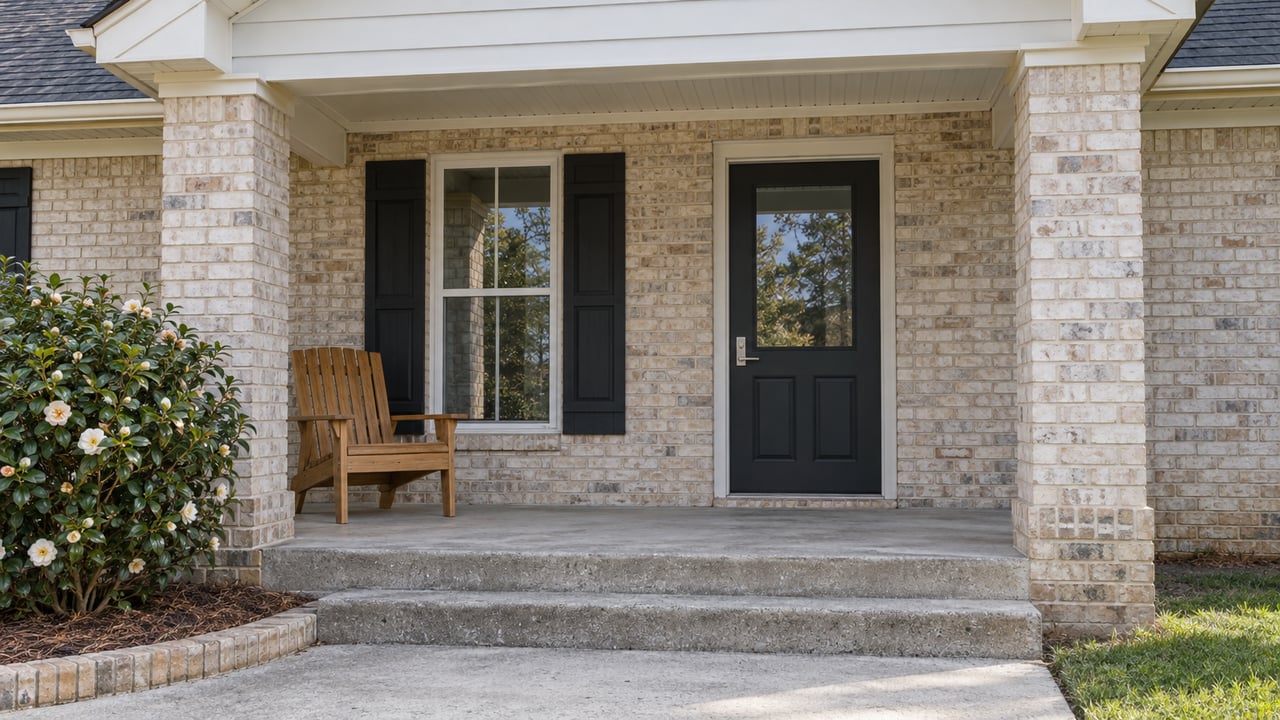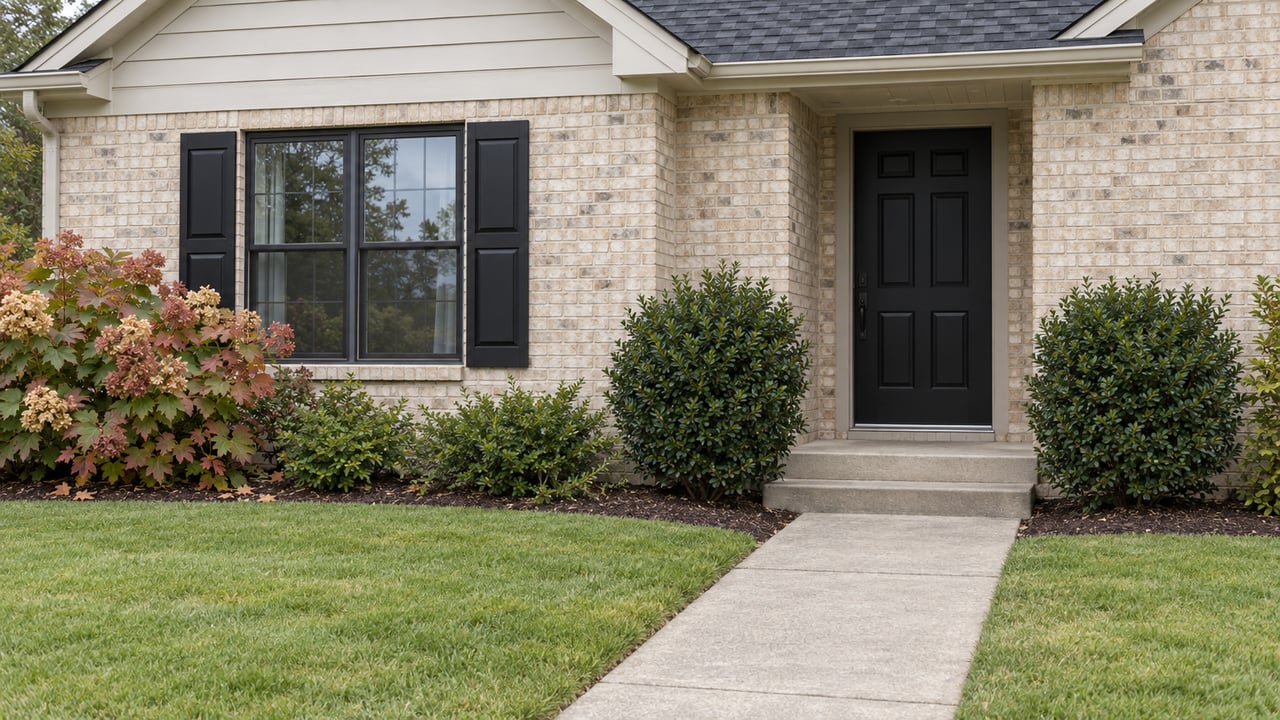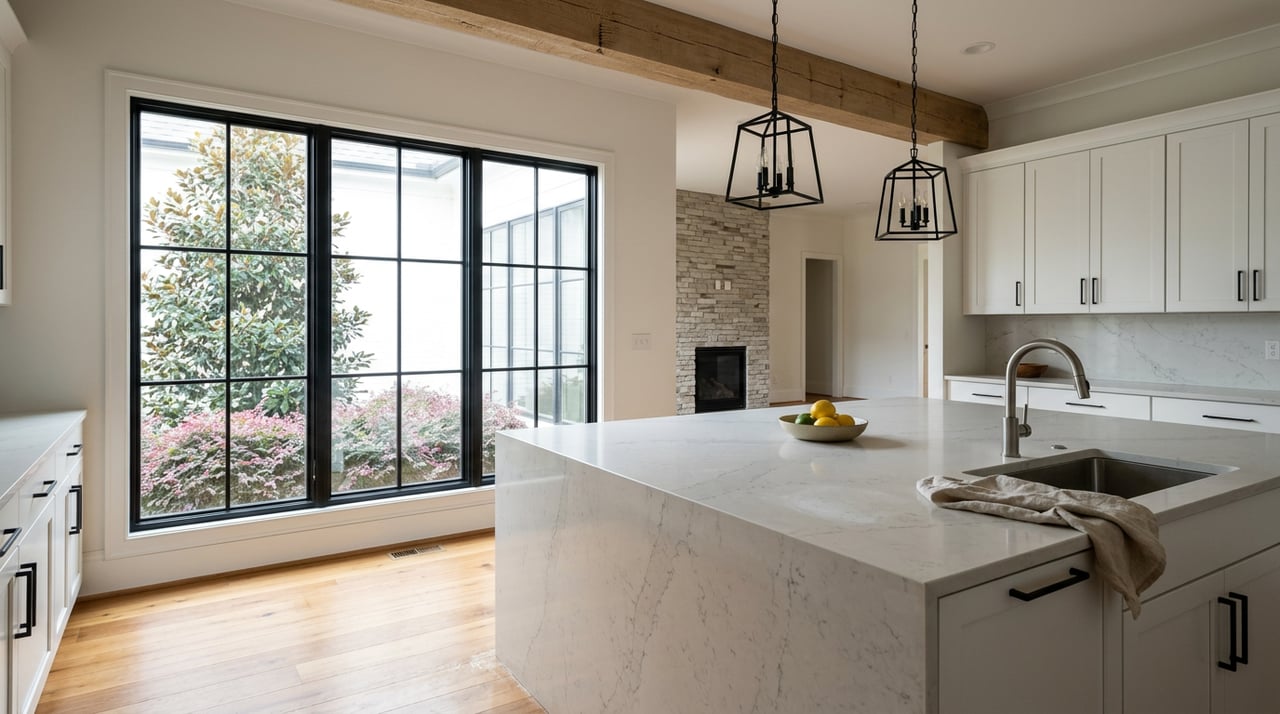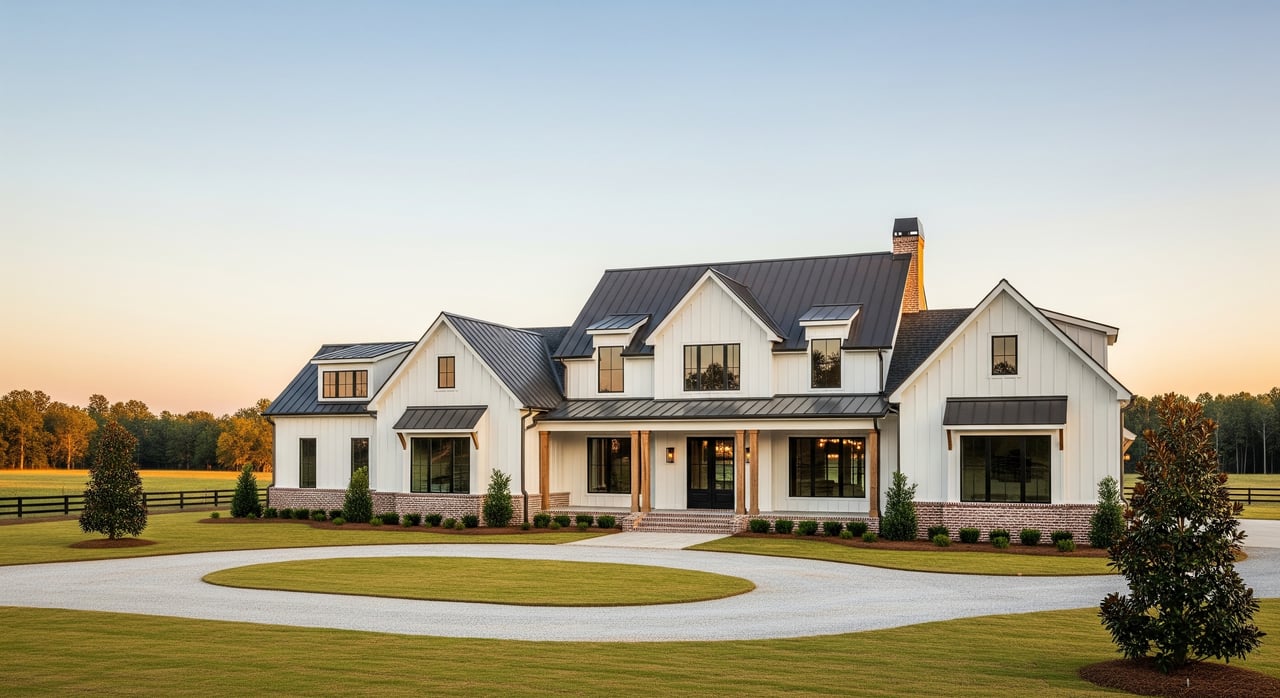
Eyeing a brand-new home in The Summit at Oak Park and wondering if FHA, VA, or conventional financing is the smarter move? You are not alone. New construction adds a few extra rules and timelines to the usual mortgage decision, and the choices can feel overwhelming. In this guide, you will learn how each loan type works for new builds in Troy, what local price points mean for your budget, and a simple plan to close on time with fewer surprises. Let’s dive in.
Quick answer for Summit buyers
For typical Summit prices in the low-to-mid $200s to mid $300s, all three options can work for qualified buyers. Your choice usually comes down to your eligibility, credit and cash on hand, and total cost.
- VA: For eligible veterans and service members, VA can allow 0% down, and there is no monthly mortgage insurance. You will want to review the one-time funding fee, which can be financed. See the VA’s explanation of the funding fee and closing costs.
- FHA: Common for first-time buyers who want 3.5% down with flexible credit guidelines. Be sure to include the Up-Front Mortgage Insurance Premium and annual MIP in your comparisons. Review FHA’s minimum down payment rules and how FHA mortgage insurance works.
- Conventional: Good fit if you have stronger credit or plan to remove PMI later. Some programs allow 3% down for qualifying borrowers. Total cost depends on your rate, PMI, and how soon you reach the equity needed to cancel PMI.
How each loan works on new builds
VA loans for new construction
VA loans allow eligible buyers to finance new construction, including single-close construction-to-permanent options. The VA highlights how construction loans work for veterans in its construction loan overview. While the VA recently streamlined some builder identification requirements, lenders still run their own builder-approval processes. You can monitor updates on the VA Circulars page and confirm with your lender early.
- Typical out-of-pocket can be low because VA allows zero down for many borrowers.
- You pay a one-time funding fee unless you qualify for an exemption. Details are on the VA’s funding fee page.
FHA loans on proposed or under-construction homes
FHA is often chosen for its 3.5% minimum down payment for qualifying credit profiles. For new construction, FHA will ask for specific documentation like plans and specs, an appraisal based on those plans, and builder warranty items. You can review FHA program updates and resources on HUD’s Single-Family FHA Info page and confirm details with your lender.
- Plan for both the Up-Front Mortgage Insurance Premium and the annual MIP. Learn how FHA mortgage insurance is calculated.
- Minimum down payments start at 3.5% for many borrowers, subject to credit and underwriting.
Conventional loans on new construction
Conventional financing often rewards higher credit with competitive rates, and PMI can be removed after you reach required equity levels. Some buyers qualify for 3% down through specific programs. Many lenders also offer one-time-close construction options. Here is a helpful overview of single-close mechanics from a lender’s product page: one-time-close construction. Product availability and terms vary by lender.
- PMI applies with less than 20% down but is usually cancellable once you reach the required equity.
- Appraisals for proposed or new homes rely on plans and specs, with inspections at draws set by lender policy.
Local pricing and loan limits in Pike County
The Summit at Oak Park by D.R. Horton offers new single-family homes in Troy, with current listings showing options generally in the low-to-mid $200s to mid $300s. You can browse plans and active inventory on the D.R. Horton community page.
For 2025, the national conforming baseline limit is $806,500, and the FHA floor for one-unit homes is $524,225. Pike County homes are well below high-cost thresholds, so typical Summit prices are comfortably under both FHA and conforming limits. You can review the conforming-limit announcement from the FHFA. This means your loan choice will likely hinge more on your profile and costs than on loan-limit caps.
Cost tradeoffs to model
To compare apples to apples, ask your lender for side-by-side estimates that include every required cost.
- VA: No monthly mortgage insurance, but consider the one-time funding fee.
- FHA: Include both the Up-Front Mortgage Insurance Premium and the annual MIP. See FHA’s mortgage insurance basics.
- Conventional: Include PMI in your early years if you put less than 20% down, then note when PMI could be removed.
Small differences in rate, insurance, and fees can shift the best choice for your budget.
Step-by-step plan to avoid delays
- Get pre-approved with a construction-experienced lender. Ask directly about one-time-close vs two-close options and how long you can lock a rate. For a primer on the structure, review a lender’s one-time-close overview.
- Confirm builder requirements early. Large builders typically have documentation packages ready. Some VA builder ID steps have changed, but lenders still run their own checks. Watch the VA Circulars page for updates.
- Choose your loan type before you sign. Ask your lender to review the builder contract and planned timeline so appraisal, warranty, and inspection items match the program rules.
- Plan around inspections and draw schedules. Understand when inspections happen, when the Certificate of Occupancy is needed, and how your loan converts to permanent financing if you use a single-close structure.
What to bring: document checklist
- Personal: Government ID, recent pay stubs, W-2s, bank statements, and tax returns if self-employed. VA buyers should secure a Certificate of Eligibility.
- Property and builder: Builder contract, plans and specs, permits or CO as required, and any builder warranty documents your loan program needs.
- Lender items: Ask about reserves, builder approval, and any extra inspections or forms needed before funding.
Which loan fits your situation?
- Choose VA if you are eligible, prefer low or zero down, and want to avoid monthly mortgage insurance while accepting a one-time funding fee.
- Choose FHA if you want a predictable 3.5% down option and flexible qualification, and you are comfortable with FHA mortgage insurance.
- Choose Conventional if you have stronger credit, want cancellable PMI, or plan to put more money down.
Buying new at The Summit should feel exciting, not stressful. If you want a local partner who coordinates with your lender and the builder so you can focus on your move, we are here to help. Reach out to David Adams for friendly, experienced guidance in Troy and Pike County.
FAQs
What is the best loan for a new D.R. Horton home in The Summit?
- The best choice depends on your eligibility, down payment, credit, and total cost; VA can allow 0% down for eligible buyers, FHA starts at 3.5% down, and conventional can offer cancellable PMI.
Are VA loans accepted for new construction in Troy’s The Summit?
- Yes, VA financing can be used on new builds, including construction-to-permanent structures; see the VA’s overview of construction loans for veterans and confirm builder approval with your lender.
How much do I need down for an FHA loan on a Summit new build?
- Many FHA borrowers can qualify with 3.5% down based on credit and underwriting; review FHA’s minimum down payment rules and confirm your scenario with a lender.
Will a conventional loan let me drop mortgage insurance on a Summit home?
- Yes, PMI applies when you put less than 20% down, and it is typically removable once you reach required equity levels per your lender’s guidelines.
Are Summit prices under Pike County’s loan limits?
- Yes, typical Summit prices are well under both the 2025 conforming baseline and the FHA floor, as outlined by the FHFA’s limit announcement.